Tsilivi
Until the 1960s Tsilivi was little more than a handful of farmhouses overlooking a long golden sand beach, just a few kilometres f...
Updated 8 July 2026
This season · July · Summer
What to do in Tsilivi now
The story
The story of Tsilivi
Origins and history of a village turned seaside resort
Zante, the island on which Tsilivi lies, has a layered history rooted in Greek antiquity and passing through Byzantine, Venetian, French, Russo-Ottoman and finally British rule before joining the Kingdom of Greece in 1864. Tsilivi began as a small farming settlement tied to the cultivation of raisins, the famous currant grape that for centuries was the island's main source of wealth, exported throughout Europe via Venetian and later British ports. The agricultural landscape of rows and small farms is still visible in the hinterland behind the beach, where olive groves and vineyards alternate with stone farmhouses.
The tourism turning point came from the 1970s onward, when the proximity to Zante town and the quality of the beach began to attract the first northern European visitors. Since then the village has gradually transformed without ever entirely losing its character as a farming community: alongside the more recent resorts, courtyard houses, small white chapels and village shops still survive, evidence of a less traumatic growth than in other Greek coastal towns.
The 1953 earthquake and the island's memory
To understand the architecture of Zante, and by extension that of Tsilivi, one must know about the earthquake of August 1953, one of the most devastating in modern Greek history, which levelled much of the island's historic buildings, including almost the entire centre of Zante town. The reconstruction, carried out to earthquake-resistant standards and in a more sober architectural style than the lost, lavish Venetian palaces, has left an indelible mark on the face of the neighbouring villages, Tsilivi included, where the oldest houses today stand alongside buildings from after the 1950s.
Tsilivi beach, the practical heart of the village
The beach is what defines the whole resort: about two kilometres of pale, fine sand with a sandy seabed that shelves gradually, ideal for families with small children. The Blue Flag, which the beach has earned repeatedly, certifies the quality of the water and facilities. Along the shore, equipped establishments with sunbeds and umbrellas follow one another, but stretches of free beach also remain for those who prefer to lay out a towel without constraints. Water sports are at home here: windsurfing, waterskiing, banana boat rides and diving centres for those wanting to explore the rocky seabed a little further north.
The seafront promenade and the village's evening life
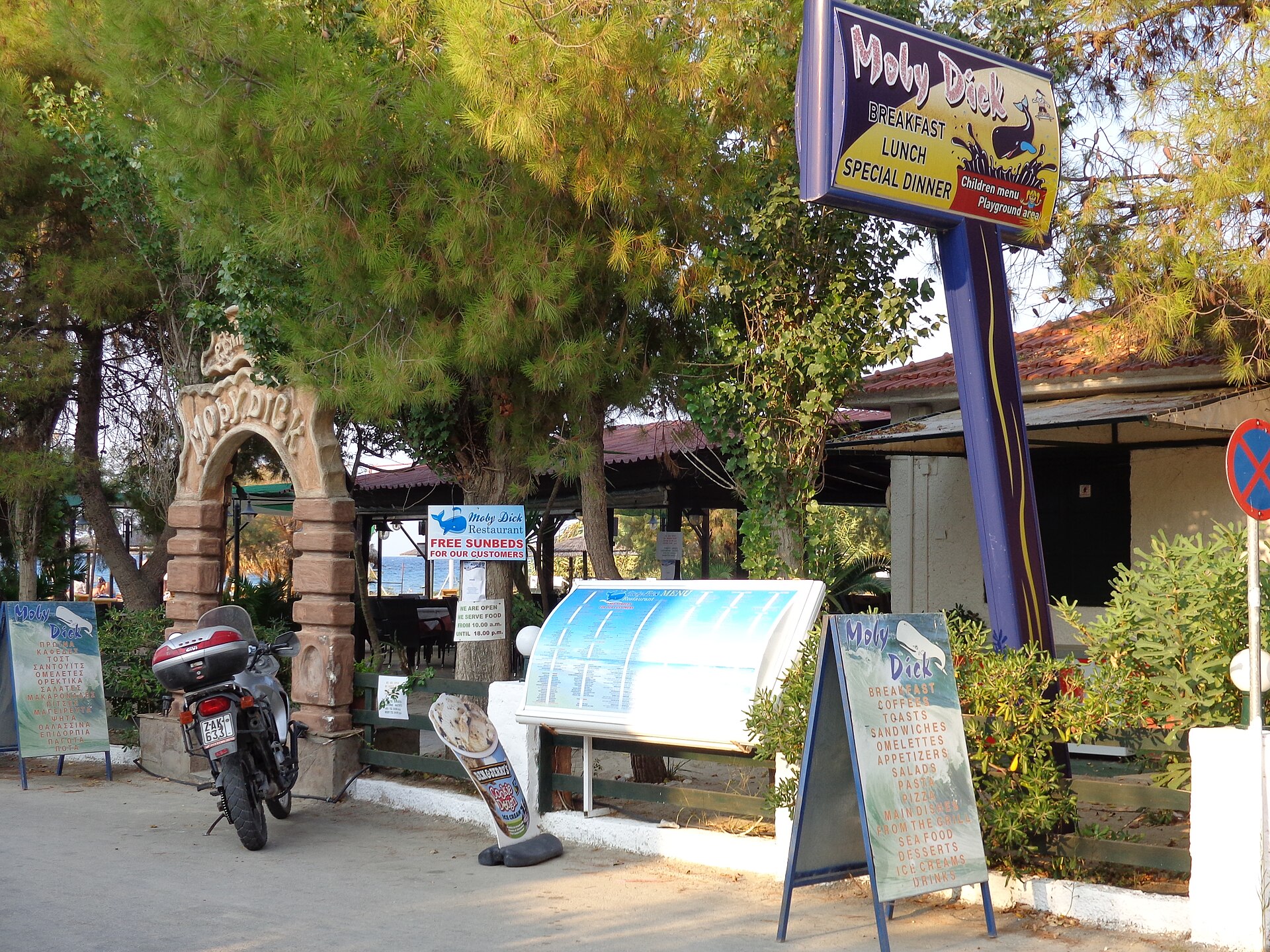
The road running parallel to the beach concentrates almost all of Tsilivi's commercial offering: traditional taverns serving moussaka, saganaki and grilled fish, cocktail bars with live music, ice-cream parlours and souvenir shops. In the evening hours the promenade gradually comes alive, but keeps a more family-friendly tone than other tourist spots on the island such as Laganas, which is more geared towards youthful nightlife. It is here that Tsilivi's hybrid character is best felt, suspended between the calm rhythm of a Greek village and the comforts of an international destination.
Zante town, just minutes away
The island's main town is barely four or five kilometres from Tsilivi and can be reached in a few minutes by car, local bus or taxi. Rebuilt after the 1953 earthquake partly recreating the Venetian urban layout, Zante town offers the central Solomos Square, dedicated to the poet Dionysios Solomos, author of the Greek national anthem and a son of the island, the Byzantine Museum with frescoes and icons saved from destroyed churches, the Solomos Museum and the church of Saint Dionysios, the island's patron saint, overlooking the harbour. Climbing up to the Venetian castle rewards you with a view taking in the whole gulf, reaching as far as the mountains of the Peloponnese on clear days.
Bochali and the Venetian castle
On the hill overlooking Zante town stands the village of Bochali, an ideal spot for sunset thanks to its panoramic cafés and the park housing the ruins of the 15th-century Venetian castle, built on the remains of an earlier Byzantine fortification. The walls, largely still walkable, tell of centuries of the island's defence against Ottoman attacks and pirate raids, and today offer one of the most striking views in the whole of the Ionian Islands over the Ionian Sea and the town below.
The hinterland: vineyards, olive groves and mountain villages
Behind Tsilivi the landscape changes rapidly: the hills become covered with centuries-old olive groves and vineyards producing native varieties such as Verdea, a white wine typical of the island with a characteristic hint of Mediterranean herbs. Villages such as Gaitani, Katastari and Kalipado retain a rural atmosphere, with small Byzantine churches, wood-fired ovens still in use and shops selling local honey, oil and cheeses. An excursion into the hinterland, even just for half a day, lets you glimpse the lesser-known face of Zante, far from the crowded beaches.
The western coastline: Navagio and the Blue Caves
From Tsilivi many visitors organise excursions to the island's two photographic icons: Navagio beach, also known as Shipwreck Beach for the rusting wreck of a reputed smuggler's boat that ran aground in the 1980s, enclosed by white limestone cliffs and reachable only by sea; and the Blue Caves at Cape Skinari, a system of sea caves carved into the rock where light filters through creating cobalt-blue reflections on the transparent water. Both can be reached with organised boat tours that also depart from jetties near Tsilivi.
Traditions, music and Zakynthian cuisine
Zante has a musical tradition unique in Greece, a direct heir of Venetian influence: the kantada, a polyphonic folk song performed with guitar and mandolin, is intertwined with the birth of Greek opera, of which the island is considered the cradle. On the table Mediterranean flavours dominate: the already mentioned moussaka, ladotyri, a cheese matured under layers of oil, sweet almond treats made with honey and almonds, and of course the extra virgin olive oil produced by the olive groves of the hinterland. Religious festivals linked to Saint Dionysios, the island's patron saint, still mark the calendar today with processions and celebrations deeply felt by the local community.
When to go and how to experience Tsilivi

The bathing season runs from May to October, with the peak in visitors and temperatures between July and August, when the Ionian Sea reaches its warmest values of the summer. May, June and September offer a milder climate, less crowded beaches and generally lower prices, ideal for those wanting to combine sea and hinterland excursions without the intense heat of high summer. Tsilivi is well suited to multi-day stays used as a base to explore the whole island, thanks to the widespread network of car and scooter rental throughout the village.
Experiences not to be missed in Tsilivi and the surrounding area
- Swimming and water sports on Tsilivi's Blue Flag beach
- A sunset stroll among the panoramic cafés of Bochali
- A visit to the Venetian castle and its 15th-century walls
- A boat excursion to Navagio beach and the Blue Caves
- Tasting Verdea wine and extra virgin olive oil in the hinterland villages
- Solomos Square and the Byzantine Museum in the centre of Zante town
- Dinner in a traditional tavern with moussaka and grilled fish
- A trip to the hillside villages of Katastari and Gaitani
FAQ
Come si arriva a Tsilivi?
Qual è il periodo migliore per visitare Tsilivi?
Cosa vedere in un giorno partendo da Tsilivi?
Tsilivi è adatta alle famiglie con bambini?
Si trova parcheggio facilmente?
Quanti giorni servono per visitare Tsilivi e l'isola di Zante?
Getting there
- Aeroporto Internazionale di Zante Dionysios Solomos, circa 8 km da Tsilivi
- Nessuna linea ferroviaria sull'isola; collegamento via traghetto dal Peloponneso al porto di Zante città
- Da Zante città seguire la strada costiera verso nord per circa 4-5 km fino a Tsilivi; buona rete di strade asfaltate, consigliato il noleggio auto o scooter per raggiungere le altre spiagge e i villaggi dell'entroterra.
- In alta stagione (luglio-agosto) prenotare con anticipo auto a noleggio ed escursioni in barca per Navagio e Blue Caves, spesso al completo con giorni di anticipo.
Perfect for
Spiaggia sabbiosa Bandiera Blu con fondale digradante, ideale per famiglie e sport acquatici.
Dalle dominazioni veneziane al terremoto del 1953, un'isola che porta i segni di secoli di trasformazioni.
Entroterra di uliveti e vigneti, coste selvagge come Navagio e le grotte blu di Capo Skinari.
Vino Verdea, olio extravergine e taverne tradizionali con pesce fresco e piatti della cucina zacinzia.
Kantada, opera greca e le tracce dell'influenza veneziana visibili a Zante città e a Bochali.
To see