Svoronata
Anyone landing at Kefalonia's international airport, named after pilot Anna Pollatou, is already inside Svoronata without realisin...
Updated 8 July 2026
The story
The story of Svoronata
Origins and history of Svoronata
The name Svoronata almost certainly derives from a family surname, following a naming convention widespread in Kefalonia, where entire villages still bear the name of the clan that founded or ruled them during the Venetian era. Over the centuries the island, and this stretch of coast with it, passed under Byzantine, then Norman and Angevin rule, before finally coming, from 1500 to 1797, under the Most Serene Republic of Venice, which left a deep mark here on agriculture, religious architecture and even local vocabulary. A brief French interlude followed, then the British protectorate of the Ionian Islands and, finally in 1864, union with the Kingdom of Greece. Like much of Kefalonia, Svoronata was hit hard by the 1953 earthquake, a tremor that levelled almost every village on the island and forced an almost total rebuilding: for this reason pre-war historic buildings are rare, replaced by more recent houses that nonetheless remain faithful, in materials and colours, to island tradition.
A farming village at the sea's doorstep
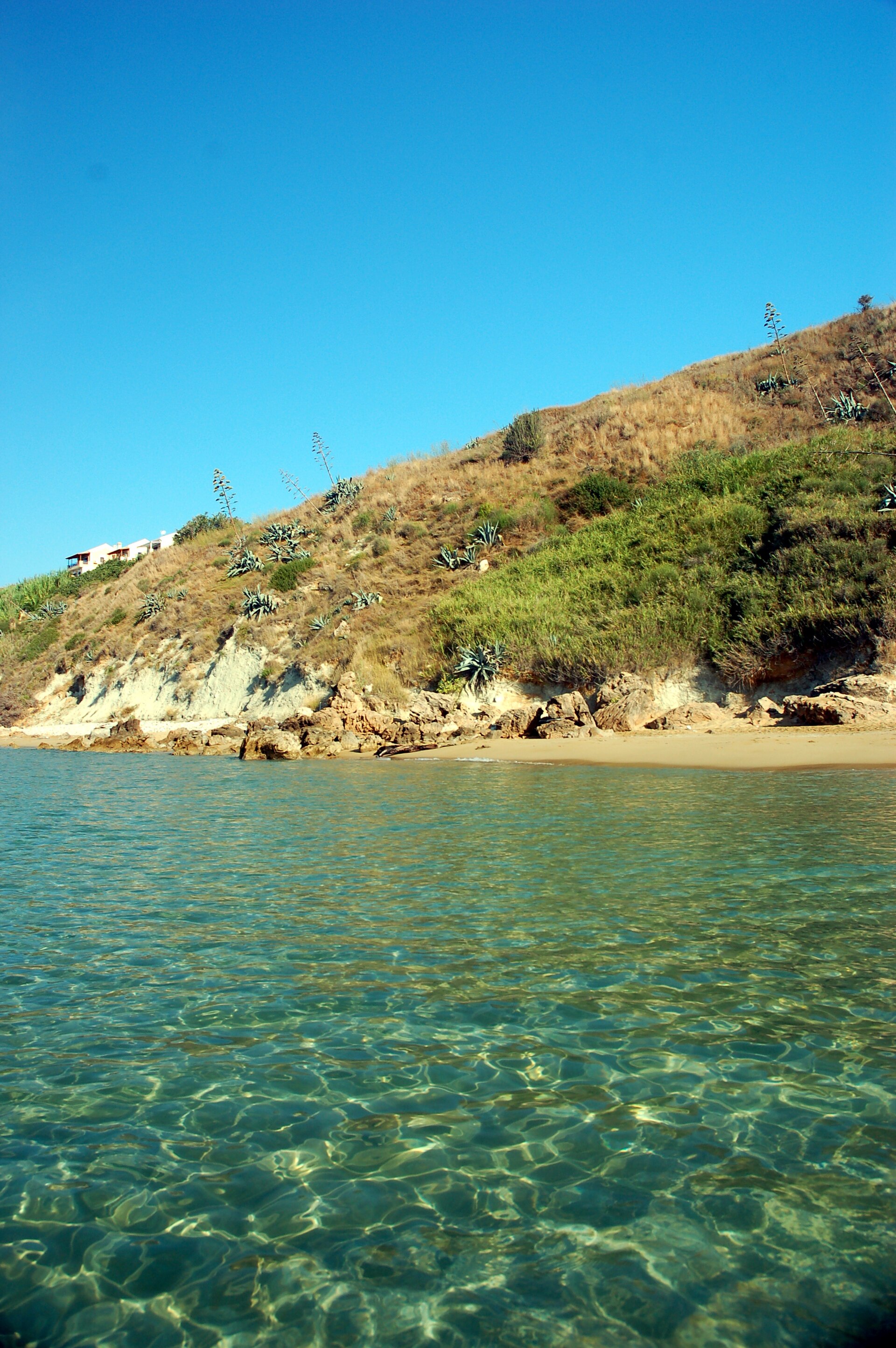
Svoronata still retains today the spirit of the rural community it has been for centuries. The village sits on a plateau slightly raised above the coast, surrounded by olive groves, vineyards and small family vegetable gardens that still supply many of the area's taverns. The low, simple houses face onto courtyards shaded by bougainvillea and jasmine; on the side streets it is not unusual to pass a tractor heading to the fields or a shepherd with a few goats in tow. In recent decades tourist growth, helped by the proximity of the airport and the beaches, has brought villas and terraced holiday homes to the village's edges, but the historic centre has kept a quiet, almost suspended pace, deliberately at odds with the buzz of the nearby coastal resorts.
Anna Pollatou Airport, gateway to the island
Kefalonia's airport, dedicated to the memory of Greek aviator Anna Pollatou, lies entirely within the municipal territory of Svoronata and is the island's main international gateway, connected in season to numerous European cities. Its presence has transformed the village economy, bringing accommodation, restaurants and car-rental services clustered along the road leading to the terminal. For travellers this is no small advantage: staying in Svoronata means enjoying one last relaxed dinner at a taverna before a morning flight, or reaching the island's finest beaches within minutes on arrival day, without facing long transfers.
Makris Gialos and Platis Gialos, the twin beaches
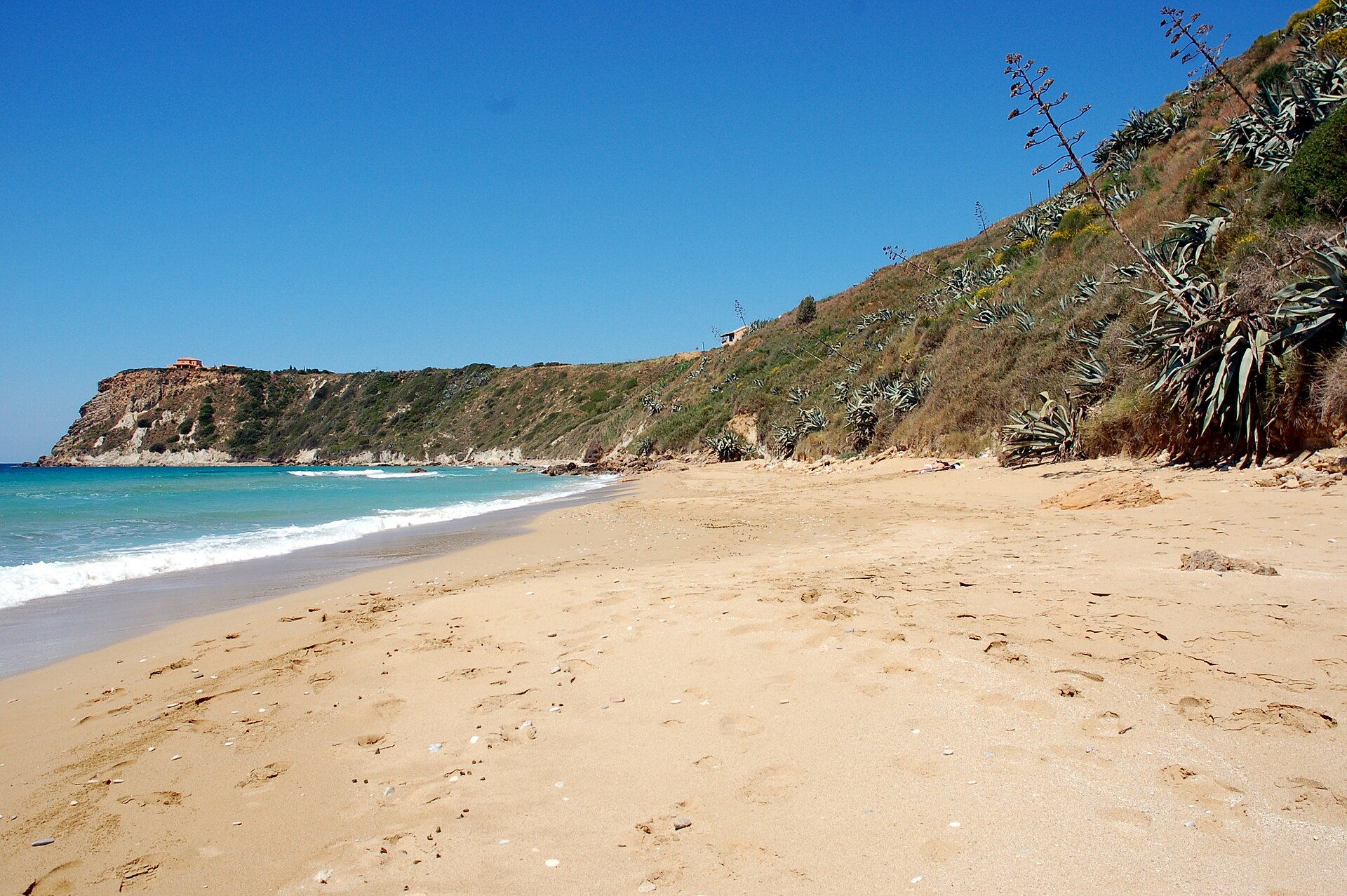
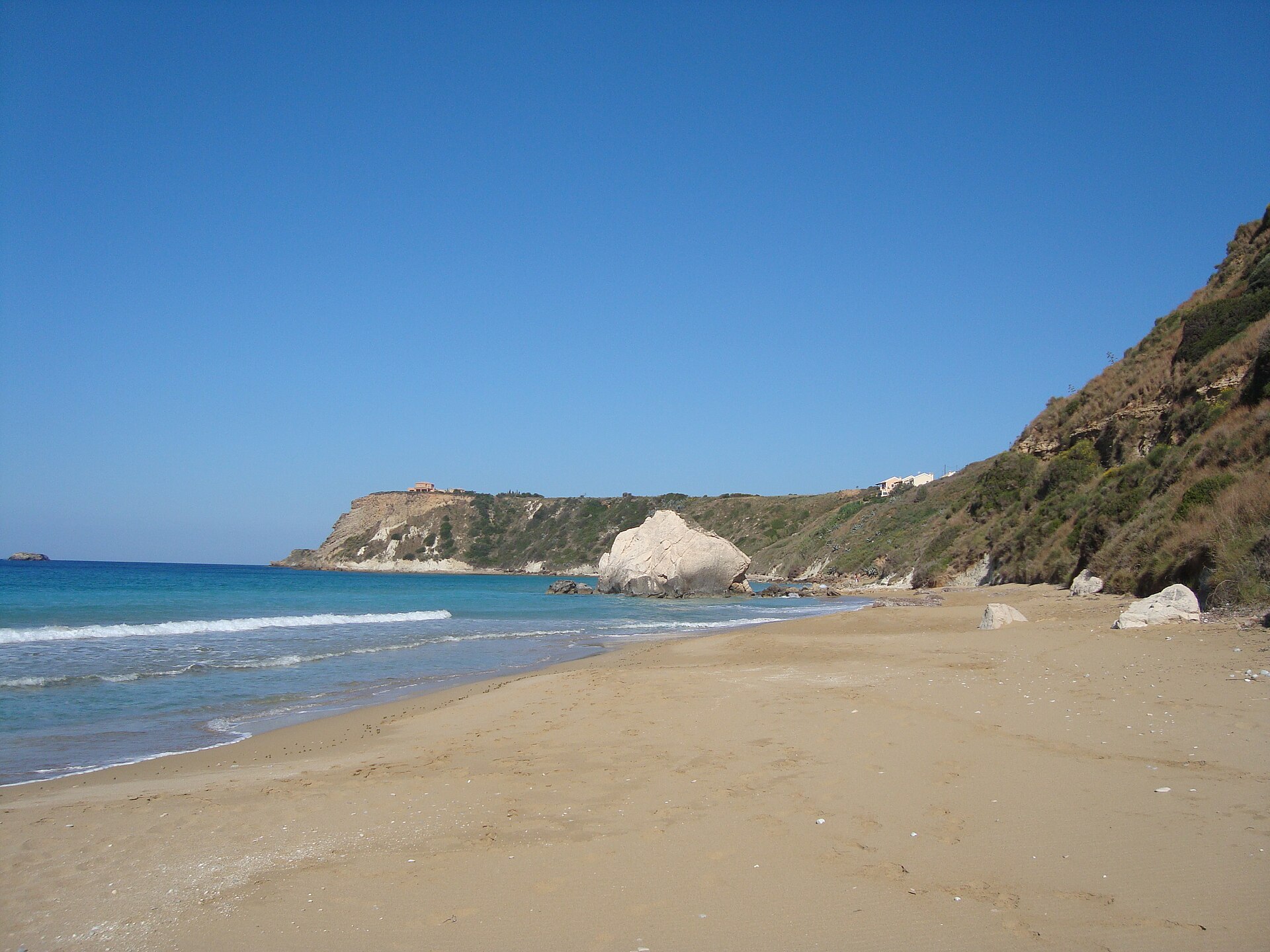
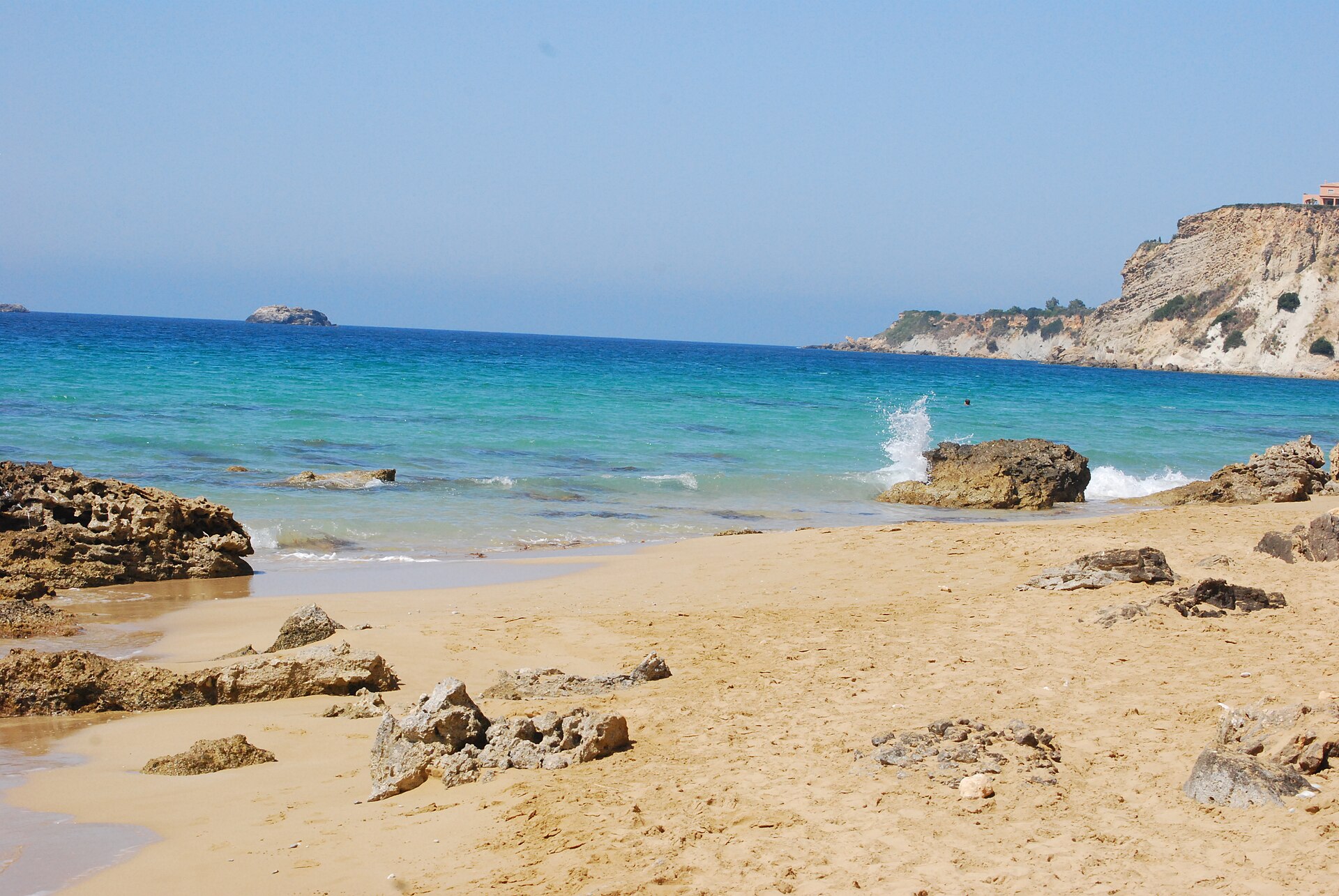
A few minutes' drive from Svoronata lie Makris Gialos and Platis Gialos, two pale sandy beaches separated by a rocky headland and washed by a turquoise sea that quickly deepens into rich blue. They are among Kefalonia's most loved and popular beaches, equipped with sunbeds, water sports and beach bars, yet still capable of offering near-Caribbean glimpses during the quieter morning hours. Behind them lies Lassi, the area's lively hub of bars, restaurants and evening venues; it is the natural seaward extension of Svoronata's tourism, while the village proper stays a step back, more intimate and residential.
Argostoli, the capital just minutes away
Argostoli, Kefalonia's capital, is barely a ten-minute drive from Svoronata and rewards a thorough visit: the seafront with its famous stone De Bosset Bridge, built by the British in the 19th century across the Koutavos lagoon, the lively fish market, Valianou Square with its evening tavernas, and the archaeological museum that tells the island's story from the Bronze Age to Roman times. Not far from town lies the geological curiosity of the Katavothres sea mills, where seawater sinks into karst cavities, resurfacing according to the most accepted theories on the other side of the island at the underground lake of Melissani. For those staying in Svoronata, Argostoli becomes an almost daily outing, for shopping, evening strolls and fresh-fish dinners.
Olive groves, vineyards and the inland landscape
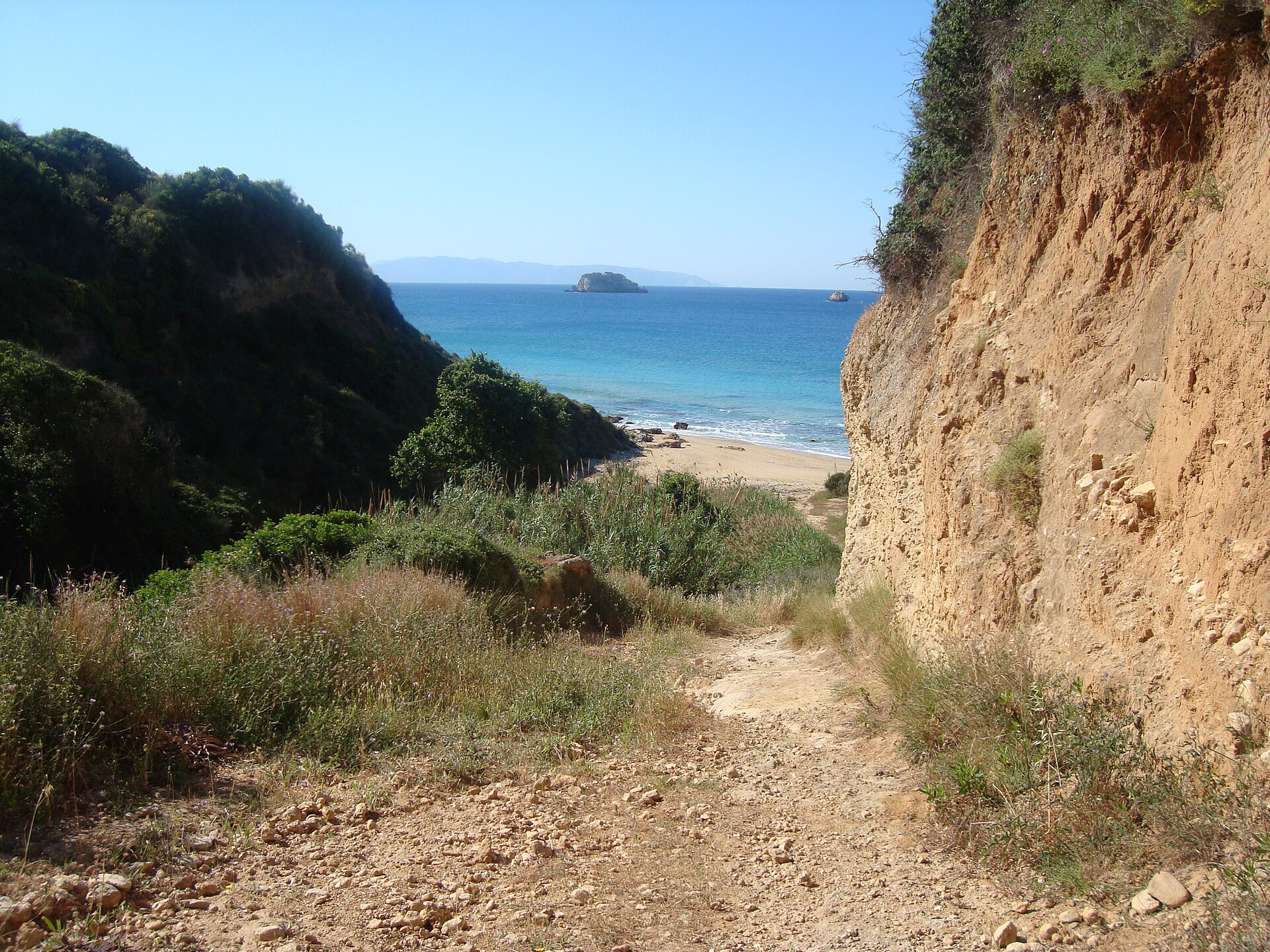
The landscape surrounding Svoronata is one of gentle hills planted with olive trees, interspersed with rows of vines and stretches of Mediterranean scrub with broom, wild thyme and Aleppo pines. It is a less dramatic hinterland than the island's great northern cliffs, but all the more authentic for it: here you can still sense the agricultural economy that sustained Kefalonian families for centuries, with traditional olive presses returning to full activity in October and November for the pressing season. Walking or cycling through these fields in the early morning, when the light is still low and the air smells of dew-soaked earth, offers a different, more intimate perspective on the island than the beaches alone.
Religious life and village festivals
As in every Kefalonian community, life in Svoronata still follows the rhythm of the Orthodox religious calendar. The village's small churches, simple in architecture but carefully finished in their decorative details, become the focus of deeply felt celebrations, often accompanied by village fairs, traditional music and communal feasts of local specialities offered to the whole community. Orthodox Easter, which reaches moments of great intensity across Kefalonia with processions and fireworks, also involves smaller villages like this one, while summer festivals dedicated to local patron saints offer travellers a genuine chance to taste home-cooked dishes and dance the sirtaki to the sound of the bouzouki.
Robola, olive oil and land-based cooking
Kefalonia is the home of Robola, a dry, mineral white wine made from a native grape variety grown on limestone soils at significant altitude, capable of pairing perfectly with grilled fish as well as local cheeses. Around Svoronata, as across the rest of the island, cuisine remains firmly rooted in the land: extra-virgin oil pressed from the surrounding olive groves seasons almost every dish, from the typical kreatopita (savoury meat pie) to the creamy white aliada, a sauce made from garlic and potatoes. Family-run taverns often serve only what the day's market has provided, an approach that rewards those willing to be guided by the host rather than choosing from a menu.
Caves and Mount Ainos, excursions beyond the village
Staying in Svoronata makes an ideal base for exploring the whole of Kefalonia in a day. To the east, in about forty minutes, you can reach the famous Drogarati Caves and the karst lake of Melissani, its waters an almost unnatural blue lit by rays filtering through the collapsed roof of the cavern. Inland rises Mount Ainos, the island's only national park, covered by the endemic Kefalonian black fir and home to a small herd of wild horses; its trails offer views stretching across the Ionian Sea and, on the clearest days, as far as the coasts of mainland Epirus. For lovers of wilder coastline, the Fiskardo peninsula and the village of Assos to the north are well worth a full-day trip.
- Relaxing on the twin beaches of Makris Gialos and Platis Gialos, minutes from the village
- An evening stroll along Argostoli's seafront and a fish dinner in Valianou Square
- A Robola tasting at a local winery paired with regional cheeses and olives
- A visit to the underground lake of Melissani and the Drogarati Cave
- A hike among the black firs and wild horses of Mount Ainos
- An olive press in October-November to witness the traditional pressing
- A day trip to the villages of Assos and Fiskardo, in the scenic north of the island
When to go and how to make the most of your stay
The ideal season for Svoronata runs from May to October, when temperatures are high but not oppressive and the sea reaches its clearest; July and August remain the hottest and busiest months, driven by heavy air traffic at the airport. Those who prefer a quieter pace would do well to choose June or September, when the beaches are less crowded and accommodation prices more affordable. Autumn, with its olive harvest and grape picking, instead reveals a rural, convivial side of the island, perfect for those seeking an experience less about the beach and more about the territory's farming traditions.
FAQ
Quanto dista Svoronata dall'aeroporto di Cefalonia?
Qual è il periodo migliore per visitare Svoronata?
Cosa vedere in un solo giorno nei dintorni?
Dove si parcheggia a Svoronata?
Svoronata è adatta a un soggiorno con bambini?
Quanto tempo conviene restare?
Getting there
- Aeroporto Internazionale di Cefalonia "Anna Pollatou" (EFL) — all'interno del comune di Svoronata
- Cefalonia non ha collegamenti ferroviari; da Argostoli, capoluogo a circa 8 km, la statale costiera collega rapidamente Svoronata alle spiagge di Lassi e al resto dell'isola. In auto si raggiungono in 40-50 minuti Sami e le grotte di Melissani e Drogarati, e in circa un'ora i villaggi settentrionali di Assos e Fiskardo.
- Il modo più pratico per muoversi resta l'auto a noleggio, disponibile direttamente in aeroporto: essendo Svoronata così vicina allo scalo, conviene ritirarla all'arrivo per sfruttare subito le spiagge nelle vicinanze.
Perfect for
Spiagge di sabbia e acque turchesi a due passi, da Makris Gialos a Platis Gialos.
Olio d'oliva locale, vino Robola e cucina di taverna a base di prodotti dell'entroterra.
Uliveti, vigneti e, poco distante, gli abeti neri e i cavalli selvatici del monte Ainos.
Feste religiose, tradizioni contadine e l'eredità storica delle dominazioni veneziana e britannica.
Base ideale per chi arriva o parte in aereo, con l'intera isola raggiungibile in giornata.
To see