Skala
Nestled on the southeastern tip of Kefalonia, the largest of the Ionian Islands, Skala presents a refined balance between the live...
Updated 7 July 2026
This season · July · Summer
What to do in Skala now
The story
The story of Skala
A journey through time: from origins to rebirth
The history of Skala is a complex mosaic rooted in the archaic era, when the area was already a landmark for sailors thanks to the temple dedicated to Apollo. During the Roman period, the town became a holiday destination for the imperial aristocracy, drawn by the mild climate and the strategic position between Italy and mainland Greece. As the centuries passed and pirate raids increased during the Middle Ages, the population moved inland, founding what we now know as Old Skala, a fortified village built in a commanding position on the hills.
The fate of the place changed drastically in August 1953, when a violent earthquake shook the whole of Kefalonia, levelling the ancient stone houses. Instead of rebuilding on the ruins of the hillside settlement, the residents chose to return to the sea, giving rise to contemporary Skala. This modern planning made it possible to create wide tree-lined avenues and a harmonious layout of buildings, without severing the bond with the agricultural and maritime traditions that have always defined local identity.
The Roman Villa and the riddle of Envy
Discovered by chance in 1944 and systematically excavated in the following years, the Roman Villa of Skala is one of the island's most precious archaeological treasures. Dating back to the 3rd century AD, this rural residence probably belonged to a wealthy landowner or a high-ranking imperial official. What makes it extraordinary is the quality of its mosaic floors, which decorate six different rooms. The most famous mosaic depicts Envy (Phthonos) personified as a young man being torn apart by wild beasts, a powerful allegory against the evil eye and jealousy.
Beyond its artistic value, the villa offers an interesting glimpse into daily life of the period, with the remains of a heating system and a private thermal complex. The visit also allows visitors to admire scenes of ritual sacrifice and geometric motifs of rare precision, testifying to how deeply Roman culture had permeated these lands, turning them into centres of refined aesthetic pleasure and agricultural productivity.
The Temple of Apollo and the archaic roots
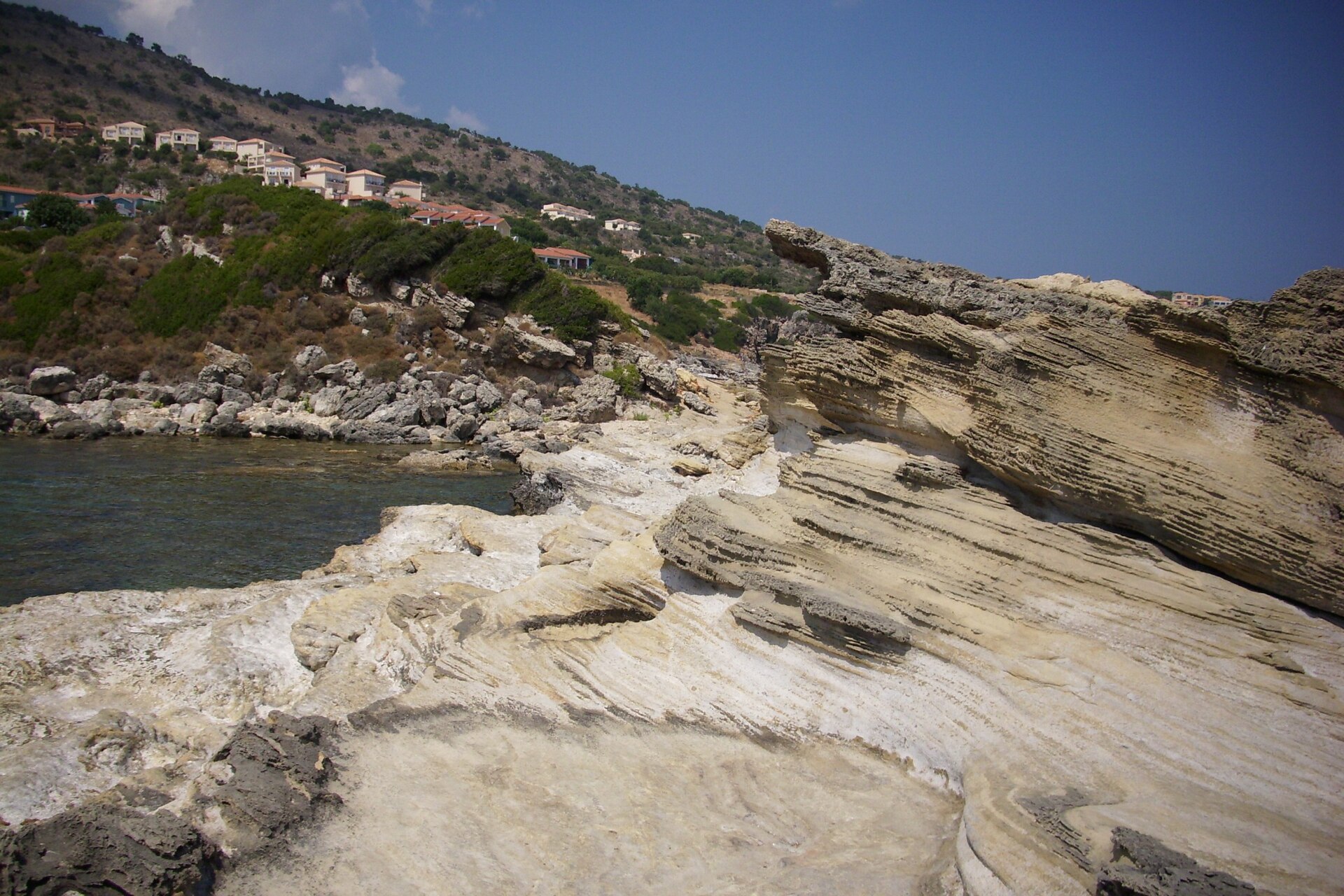
Along the coastal road connecting Skala to Poros lie the remains of the Temple of Apollo, dating back to the 6th century BC. Although today mainly the foundations and a few Doric column drums remain visible, the site retains an ancestral charm. This place of worship was strategically positioned to be seen from the sea, acting as divine protection for sailors rounding the headland. The simplicity of the ruins, surrounded by olive trees and just steps from the waves, invites reflection on the continuity of the sacredness of the Greek landscape through the millennia.
Old Skala: the charm of a ghost village
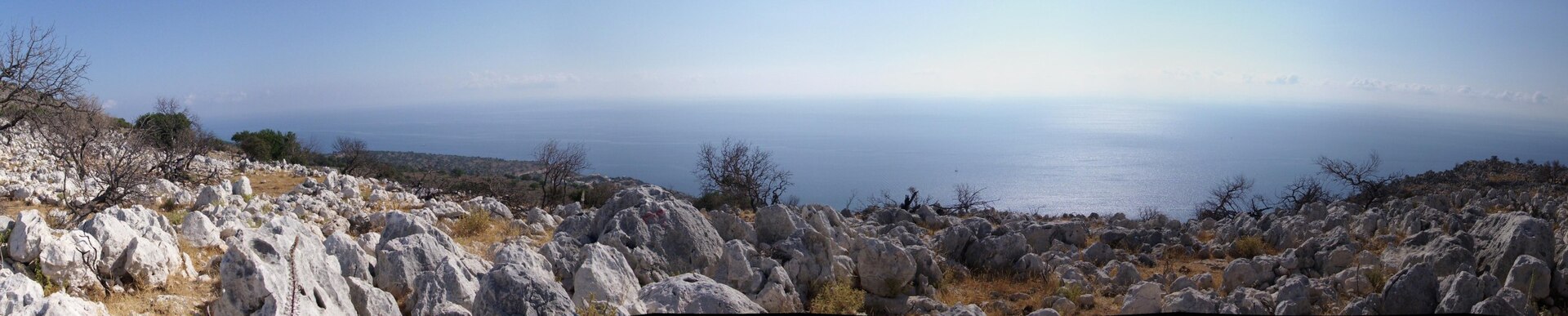
Climbing the paths that wind up toward the hill, you reach the ancient settlement of Skala, today an evocative open-air museum. Among the ruins of the stone houses, you can still make out the structures of the old olive presses and the facades of the churches that were once the beating heart of the community. Walking among these ruins, wrapped in wild vegetation, offers a melancholic and poetic perspective on human fragility in the face of nature's power. From the top, the view stretches uninterrupted across the whole gulf, clearly explaining why the ancient inhabitants chose this spot to defend themselves from outside attacks.
Skala Beach: a ribbon of gold and turquoise
Skala's shoreline is a stretch of sand mixed with small golden pebbles that extends for over three kilometres. Consistently awarded the Blue Flag, the beach stands out for the crystal-clear purity of its waters, which shelve gently, making it safe for swimming. A distinctive feature is the pine forest running parallel to the shore, offering natural shade and a balsamic scent that blends with the sea air. Despite the presence of equipped beach clubs, wide stretches remain free and wild, allowing you to find corners of absolute tranquillity even during the peak season months.
Mounda and Kaminia: the turtle sanctuary
A short distance from the town centre lie the beaches of Mounda and Kaminia, places of extraordinary ecological importance. These fine sandy shores are in fact one of the favourite nesting sites of the loggerhead sea turtle, Caretta caretta. During the summer, volunteers from environmental associations monitor the nests, and with a bit of luck and discretion it is possible to witness the spectacle of renewing life. To protect this delicate ecosystem, access is regulated and noisy activities or bright lights after sunset are not allowed, making these beaches oases of peace and respect for biodiversity.
Surroundings and hamlets: Katelios and the charm of the fishermen
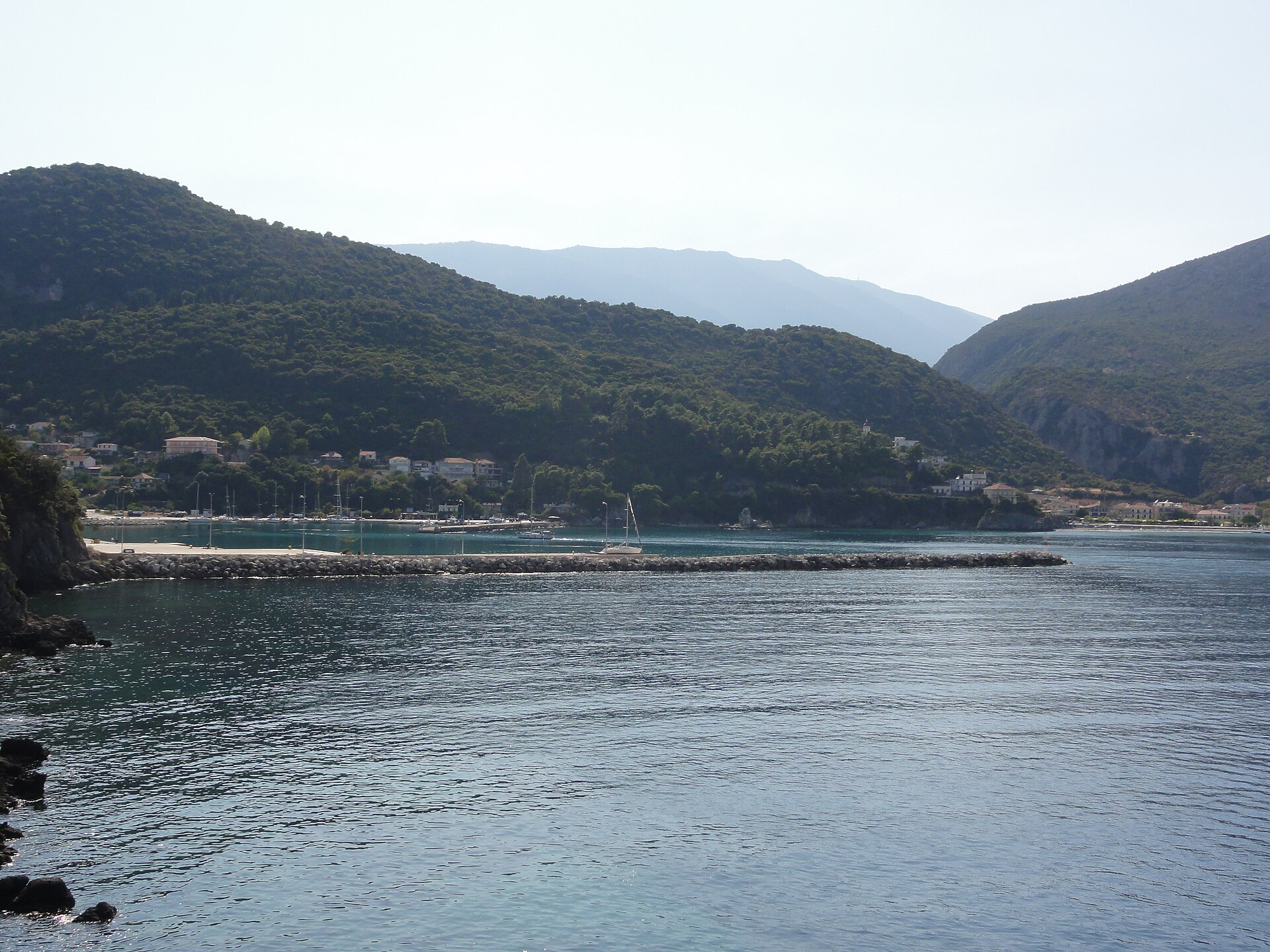
A few kilometres west of Skala lies Katelios, a village that has kept a stronger maritime character. Famous for its fish taverns set right on the sand, it is the ideal destination for those seeking an authentic gastronomic experience. The village is divided between the more traditional upper part and the lower part, where fishermen mend their nets at sunset. From here several hiking trails also set off, climbing the inland valleys, dotted with abandoned water mills and small streams that endure even during the hot Greek summer.
Flavours of the land: the cuisine of Kefalonia
Skala's table reflects the island's agricultural richness. You cannot say you have visited the place without having tasted Kreatopita, the typical Kefalonian meat pie made with three different types of meat, rice and a crisp pastry crust. The flavours are bold and genuine: local olive oil, thyme honey from the hills and Feta cheese produced in the dairies of the hinterland. All of this should be paired with a glass of Robola, the island's prestigious DOC white wine, whose vineyards grow on the limestone slopes of Mount Ainos, giving mineral and fresh notes perfect for the Mediterranean climate.
Not-to-be-missed experiences
- A boat excursion to the sea caves and isolated coves reachable only from the water.
- A sunset walk among the ruins of Old Skala to enjoy the golden panorama over the Ionian Sea.
- A dinner of the freshest fish at one of the village's seafront tavernas.
- Snorkelling along the cliffs near the Temple of Apollo, where the seabed teems with life.
- Taking part in a 'panigyri', the traditional village feast, if you visit the island in August.
When to go and how to experience Skala
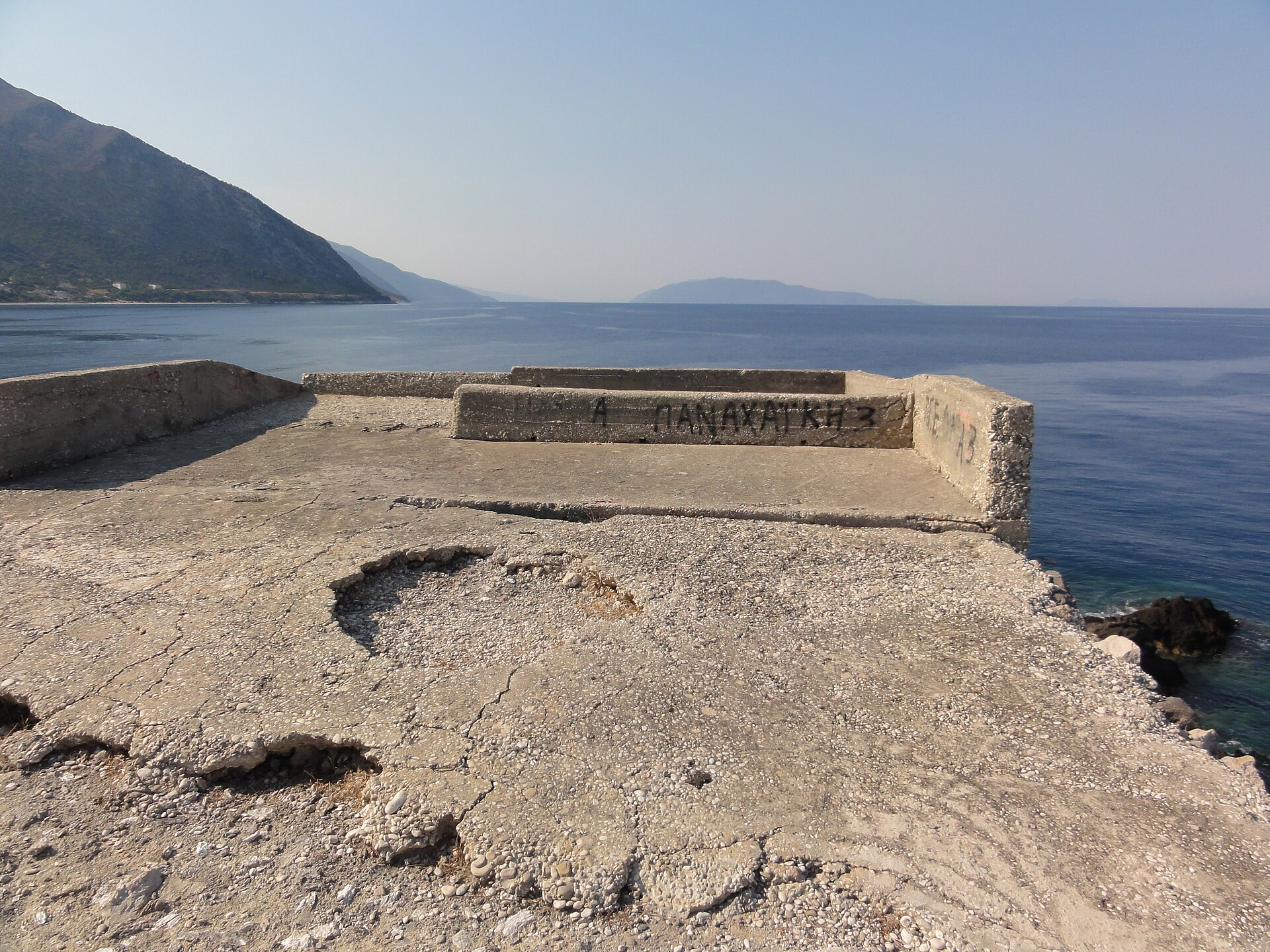
The ideal period to visit Skala runs from May to October. Late spring offers spectacular blooms and ideal temperatures for hiking, while September brings very warm sea water and a more relaxed atmosphere after the August peak. To fully experience the place, it is advisable to rent your own vehicle to explore the nearby coves, but to dedicate at least a whole day on foot between the town centre and the beach, letting yourself be guided by the slow rhythms of the place. In the evening, the centre comes alive discreetly: don't expect noisy nightclubs, but rather elegant cocktail bars and long dinners under the stars.
FAQ
La spiaggia di Skala è adatta ai bambini?
Quanto tempo occorre per visitare la Villa Romana?
È facile parcheggiare a Skala?
È possibile vedere le tartarughe marine?
Getting there
- Aeroporto Internazionale di Cefalonia (EFL) - 35 km
- Non presenti sull'isola
- Da Argostoli seguire le indicazioni per Poros e poi per Skala (circa 50 minuti). Da Poros dista solo 15 minuti lungo la costa.
- Noleggiare un'auto è fondamentale per esplorare i dintorni, ma esiste un servizio di bus locale (KTEL) che collega Skala ad Argostoli e Poros.
Perfect for
Ideale per chi cerca spiagge ampie, acque pulite e tutti i comfort a portata di mano.
Un piccolo paradiso per gli appassionati di storia romana e greca arcaica.
Perfetto per il birdwatching e l'osservazione delle tartarughe marine in un contesto protetto.
To see