

Poros
Arriving in Poros means crossing the most authentic threshold of Kefalonia, the largest of the Ionian Islands
Updated 7 July 2026
This season · July · Summer
What to do in Poros now
The story
The story of Poros
Roots in myth: the history of Poros and ancient Pronnoi
The history of Poros has its roots in classical antiquity, when the area was part of Kefalonia's powerful Tetrapolis. It was here that Pronnoi once stood, one of the island's four independent city-states, known for its strategic position and impregnable fortifications. Traces of this glorious past are still visible in the cyclopean walls dotting the surrounding hills, witnesses to an era when the city dominated maritime trade between the Ionian Sea and the Peloponnese. During the Hellenistic and Roman periods, Pronnoi's importance remained intact thanks to the wealth of its agricultural hinterland. Over the centuries, Poros followed the fate of the Ionian archipelago, passing under Byzantine rule, then that of the Tocco family and finally Venetian rule, which left an indelible mark on the local architecture and culture, before a brief French interlude and the British protectorate until union with Greece in 1864.
The Monastery of Atros: spiritual sentinel of the island
Perched atop the mountain of the same name, at about 760 metres above sea level, the Monastery of Atros (dedicated to the Virgin Mary) is considered the oldest on Kefalonia, with origins dating back to the 8th or 9th century. Reached via a winding road that offers breathtaking views over the bay of Poros and the island of Ithaca, this sacred place exudes an ancestral peace. Despite the damage suffered from earthquakes over the centuries, the monastery still preserves a medieval tower and an atmosphere of pure asceticism. Its austere architecture, typical of fortified monastic complexes, speaks of times when faith had to defend itself against pirate raids. Visiting Atros at dawn or dusk is a mystical experience: the golden light envelops the ancient stones and the silence is broken only by the wind blowing among the rocks, offering a privileged vantage point over the sacredness of the Ionian landscape.
The Mycenaean Tomb of Tzanata: the mystery of a king
A short distance from the village of Poros lies one of the most significant archaeological sites in all the Ionian Islands: the tholos tomb of Tzanata. Discovered in the 1990s, this imposing funerary structure dates back to the Mycenaean period (around 1350-1100 BC) and is the largest of its kind in the area. Many scholars have hypothesised that it may have belonged to an important local ruler, fuelling evocative parallels with the legendary figure of Odysseus, given that the structure reflects the high social status of the deceased. Precious grave goods, jewellery and seals have been found inside, testifying to the wealth and trading contacts of the civilisation that inhabited these shores thousands of years ago. The precision of the stone construction and the majesty of the dome, though partially collapsed, make the site an essential stop for anyone wishing to grasp the historical depth of Kefalonia.
The Gorge of Poros: where rock meets legend
One of the most iconic landscape features of Poros is its spectacular gorge, a deep geological fissure that appears to cut the mountain in two to allow the road passage towards the island's interior. According to local tradition, these steep, vertical rocks were shaped by the demigod Hercules, who with a single mighty blow is said to have opened the passage. The Gorge of Poros is not only an impressive visual phenomenon but also a precious natural habitat where birds of prey nest and endemic plant species grow. Crossing it on foot or by car instils a sense of awe before the force of the elements; the grey limestone walls soar dozens of metres high, creating a cool microclimate even on the hottest summer days. It is the point where the mountain's wild nature yields to the sea's proximity, forming a monumental gateway to the village.
The beaches of Poros: clear waters and white pebbles
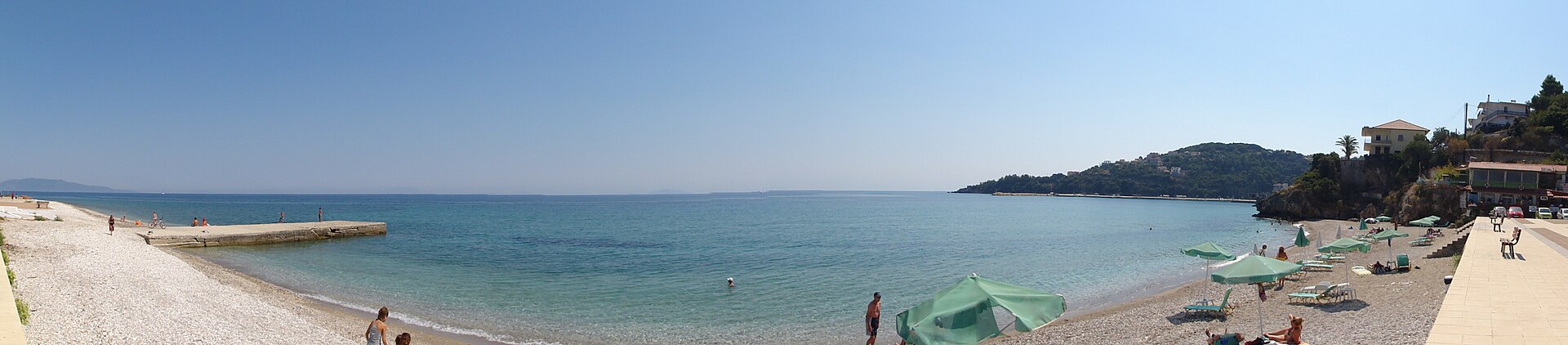
The coastline of Poros is marked by a clean, crisp beauty. The village's main beach, often awarded the Blue Flag, stretches along the seafront and is made up of small white pebbles that render the water incredibly clear with turquoise hues. Heading north, you come across Ragia beach, a longer, quieter and less crowded stretch of sand, ideal for those seeking absolute relaxation. Here the seabed slopes gently, making swimming pleasant for everyone. What makes these shores unique is the presence of freshwater springs that flow underwater or near the shoreline, keeping the sea refreshingly cool even in the height of summer. For snorkelling enthusiasts, the rocky ends of the bay offer seabeds rich in marine life and submerged caves waiting to be explored.
Nature and hiking: towards the peaks of Mount Ainos
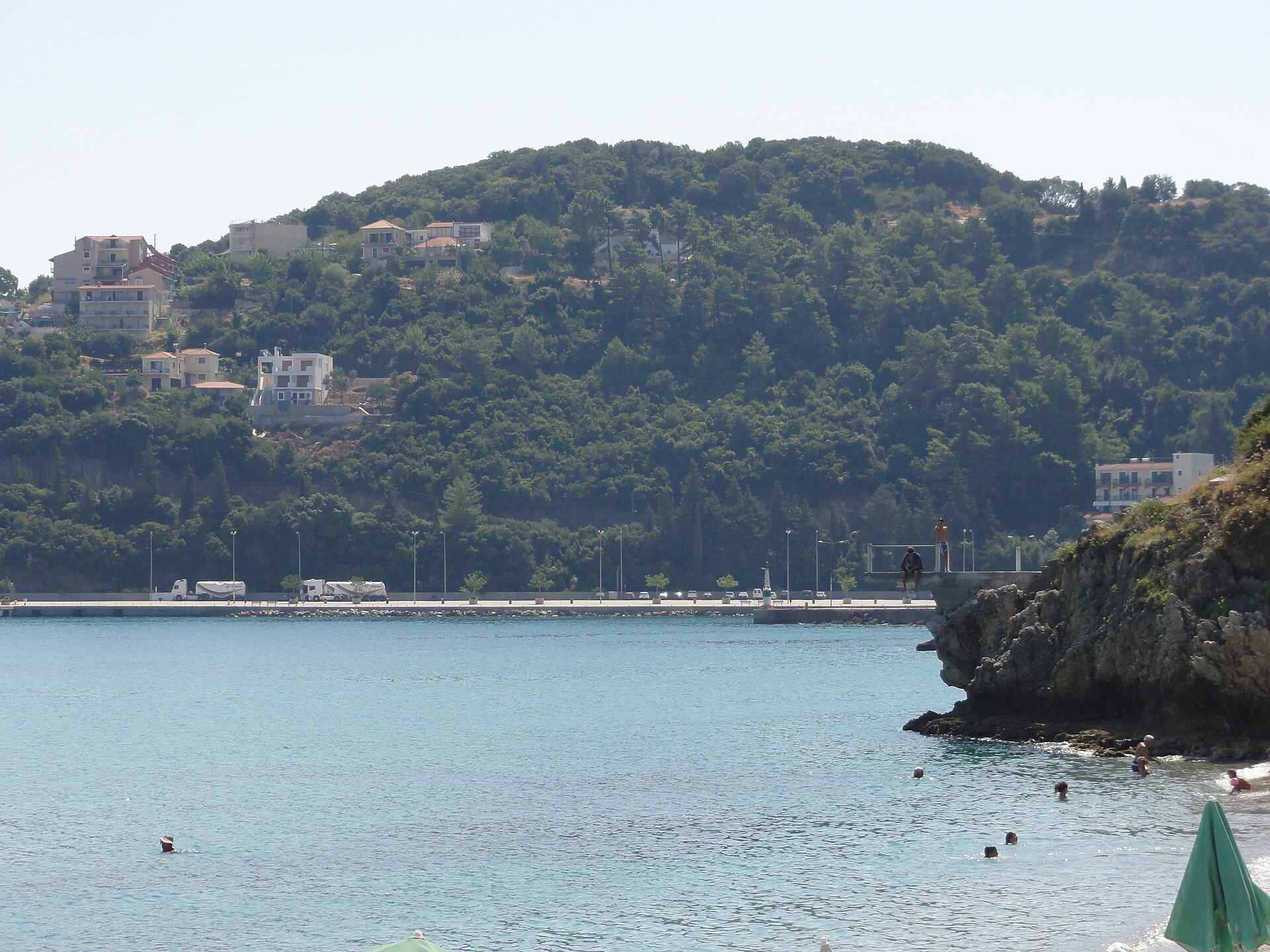
Poros is the ideal base for exploring the south-eastern side of Mount Ainos National Park, the highest peak in the Ionian Islands. The hinterland is a succession of hills covered in pines, centuries-old olive trees and Mediterranean scrub. Trekking enthusiasts can tackle routes linking small traditional villages such as Tzanata and Asprogerakas, crossing fertile valleys where livestock farming is still practised. The landscape is dominated by the contrast between the dark green of the Abies cephalonica (Kefalonian fir) and the blue of the sea peeking between the ridges. Walking along these trails, it is not unusual to come across small herds of wild goats or spot the semi-wild horses living on the slopes of Ainos. This environmental variety makes Poros a perfect destination not only for beach tourism, but also for those seeking authentic, active contact with Greek nature.
Traditions and flavours: cuisine of the land and the sea
The gastronomy of Poros reflects the island's dual soul: the maritime and the rural. In the harbourside taverns, the freshest fish is the undisputed star, often simply grilled with local olive oil and lemon. Yet it is in the hinterland that the most iconic dishes are found, such as Kreatopita, Kefalonia's famous meat pie, enriched with rice and spices wrapped in a crisp pastry. You cannot leave Poros without tasting the local thyme honey, renowned for its intense aroma, and traditional sweets such as Mandoles (caramelised almonds). All of this should be paired with a glass of Robola, the prized DOC white wine produced from grapes grown on the island's limestone slopes, whose citrus and mineral notes pair perfectly with the bold flavours of Ionian cuisine.
Experiences not to be missed in Poros
- Rent a small boat to explore the secluded coves north of the harbour, accessible only by sea.
- Walk the trail leading to the freshwater spring near the gorge, a cool corner immersed in greenery.
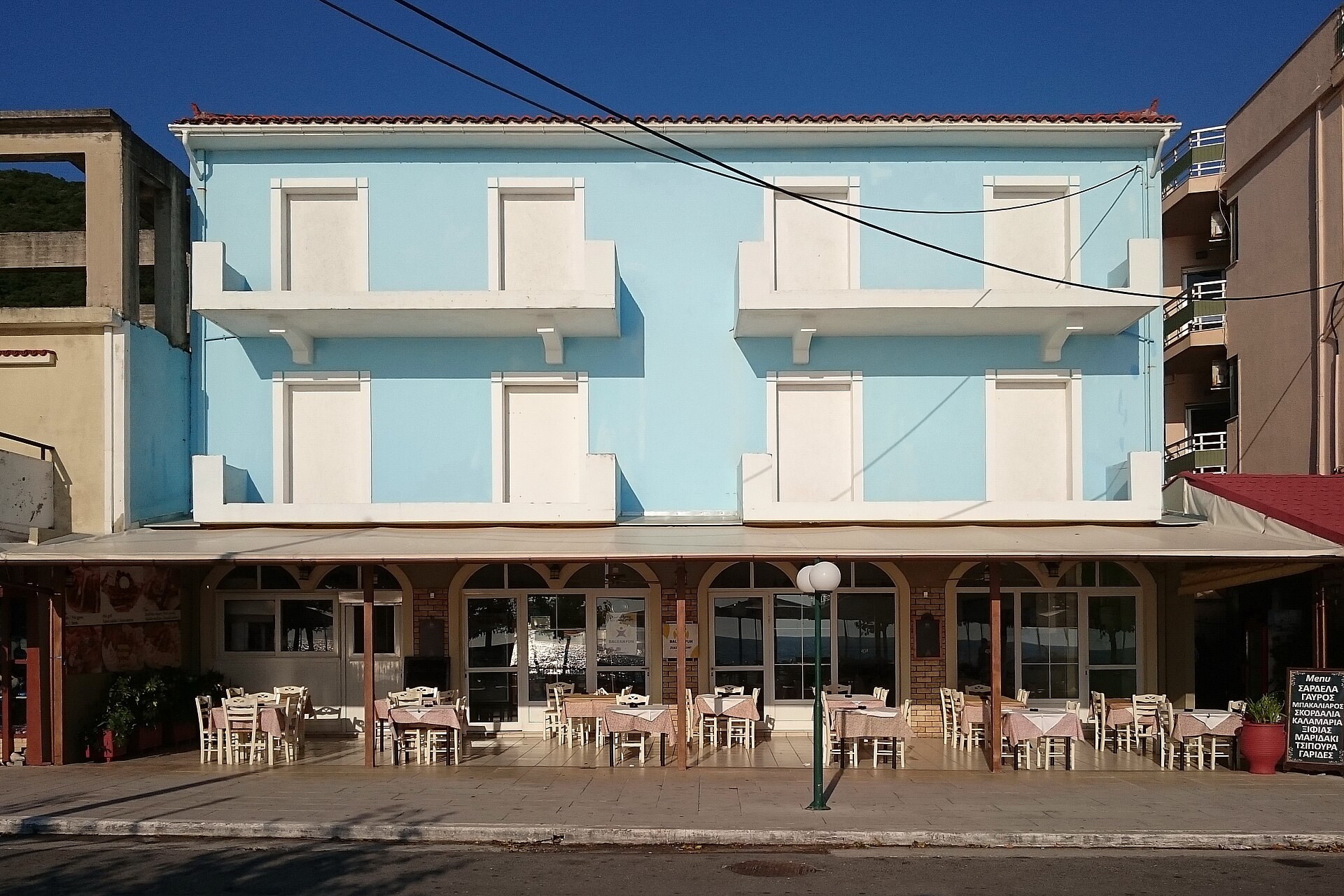
- Dine at sunset in one of the seafront taverns, watching the lights of the ferries reflected on the water.
- Take part in one of the summer religious festivals (panigiria) in nearby villages, to experience the authentic Greek community spirit.
- Take an evening excursion to the Monastery of Atros to enjoy one of the island's best starry skies.
When to go and how to experience the village
The best time to visit Poros runs from May to late September. Late spring (May and June) is ideal for those who love hiking, as nature is in full bloom and temperatures are mild. July and August are the hottest and liveliest months, perfect for seaside life and enjoying the buzz of the harbour, though Poros remains a much quieter place compared to hubs like Skala or Fiskardo. September offers still-warm seas and a relaxed atmosphere, with the light turning softer and golden. To fully experience Poros, it is advisable to get around on foot within the village and rent a vehicle to explore the surroundings; in the evening, let yourself be guided by the slow pace of the locals, sitting in a kafenio for a Greek coffee or an ouzo, watching the comings and goings of a harbour that never sleeps.
FAQ
È facile trovare parcheggio a Poros?
Poros è adatta alle famiglie con bambini?
Quanto tempo occorre per visitare il Monastero di Atros?
Ci sono collegamenti bus per il resto dell'isola?
Si può visitare la tomba di Tzanata liberamente?
Getting there
- Aeroporto Internazionale di Cefalonia (EFL) - circa 40 km
- Non presenti sull'isola
- Da Argostoli seguire le indicazioni per Sami e poi per Poros; da Skala seguire la strada costiera verso nord-est.
- Poros è il porto principale per chi arriva dal Peloponneso (Kyllini); il tragitto via mare dura circa un'ora e mezza.
Perfect for
Perfetto per chi ama il trekking tra gole profonde e montagne che si affacciano sul mare cristallino.
Un viaggio nel tempo tra le mura dell'antica Pronnoi e la maestosità della tomba micenea di Tzanata.
Ideale per chi cerca un porto vivo, lontano dai circuiti del turismo più commerciale, con taverne genuine.
Routes · Trovido Route