Kalamitsi
Perched on the western slope of the island of Lefkada, Kalamitsi presents itself as an amphitheatre of stone and light gazing prou...
Updated 7 July 2026
This season · July · Summer
What to do in Kalamitsi now
The story
The story of Kalamitsi
A heritage between land and sea: the history of Kalamitsi
The origins of Kalamitsi are rooted in a past when safety was dictated by distance from the sea. Like many inland villages of Lefkada, the settlement was founded to protect the population from the pirate raids that plagued the Ionian Sea for centuries. During Venetian rule, Kalamitsi kept its agricultural and pastoral vocation, becoming a vital centre for the production of oil and honey. The urban layout, with its houses huddled close together, still reflects that need for defence and community solidarity today. Despite the earthquakes that have historically struck the Ionian Islands, the village has managed to preserve its architectural identity, bearing witness to the resilience of a community that has always drawn its sustenance from the harsh yet generous land of the surrounding hills.
Traditional architecture and the village alleys
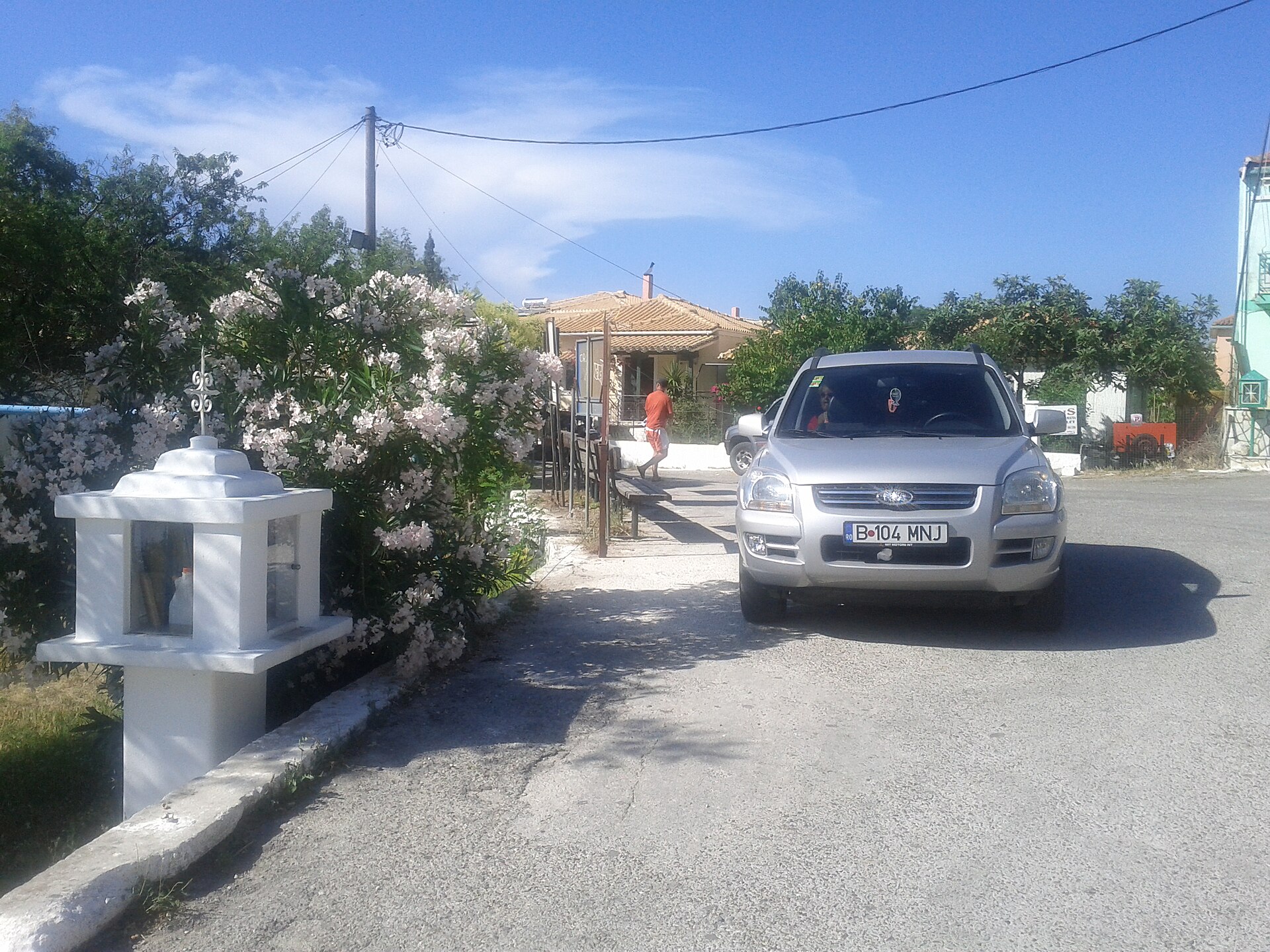
Strolling through the centre of Kalamitsi is an exercise in constant discovery. The heart of the village is characterised by exposed stone dwellings, often adorned with pots of geraniums and bougainvillea that create vivid splashes of colour against the grey rock. Many of these houses still preserve their old outdoor wood-fired ovens and small inner courtyards. The architecture is functional and understated, typical of the island's mountain areas, with red tiled roofs and wooden fittings. This labyrinth of little streets, where cars struggle to pass, invites a slow exploration on foot, allowing you to catch minute details such as ancient carved lintels or small votive shrines set into the walls.
The Church of Panagia ton Kipon
One of the most significant spiritual and historic landmarks is the church dedicated to the Virgin Mary, known locally as Panagia ton Kipon (Our Lady of the Gardens). Set in a position overlooking the village, this building is not just a place of worship but a symbol of the community's collective identity. Its simple architecture conceals an interior housing finely crafted icons, testimony to the religious devotion of the inhabitants. The church courtyard, often shaded by centuries-old trees, offers a breathtaking panoramic view over the sea below, making it a place of peace where spirituality merges with the majesty of nature.
The old windmills
Along the ridges surrounding the settlement, you can spot the remains of old stone windmills. These structures, once fundamental to the village's rural economy, were used to grind grain by harnessing the constant winds that sweep Lefkada's western flank. Although many are now in ruins, their presence gives the landscape a melancholic, evocative touch. They represent a tangible link to the pre-industrial era and offer an exceptional photo opportunity, especially during the golden hour, when the stone seems to soak up the warmth of the setting sun.
Kavalikefta beach: the garden of rocks
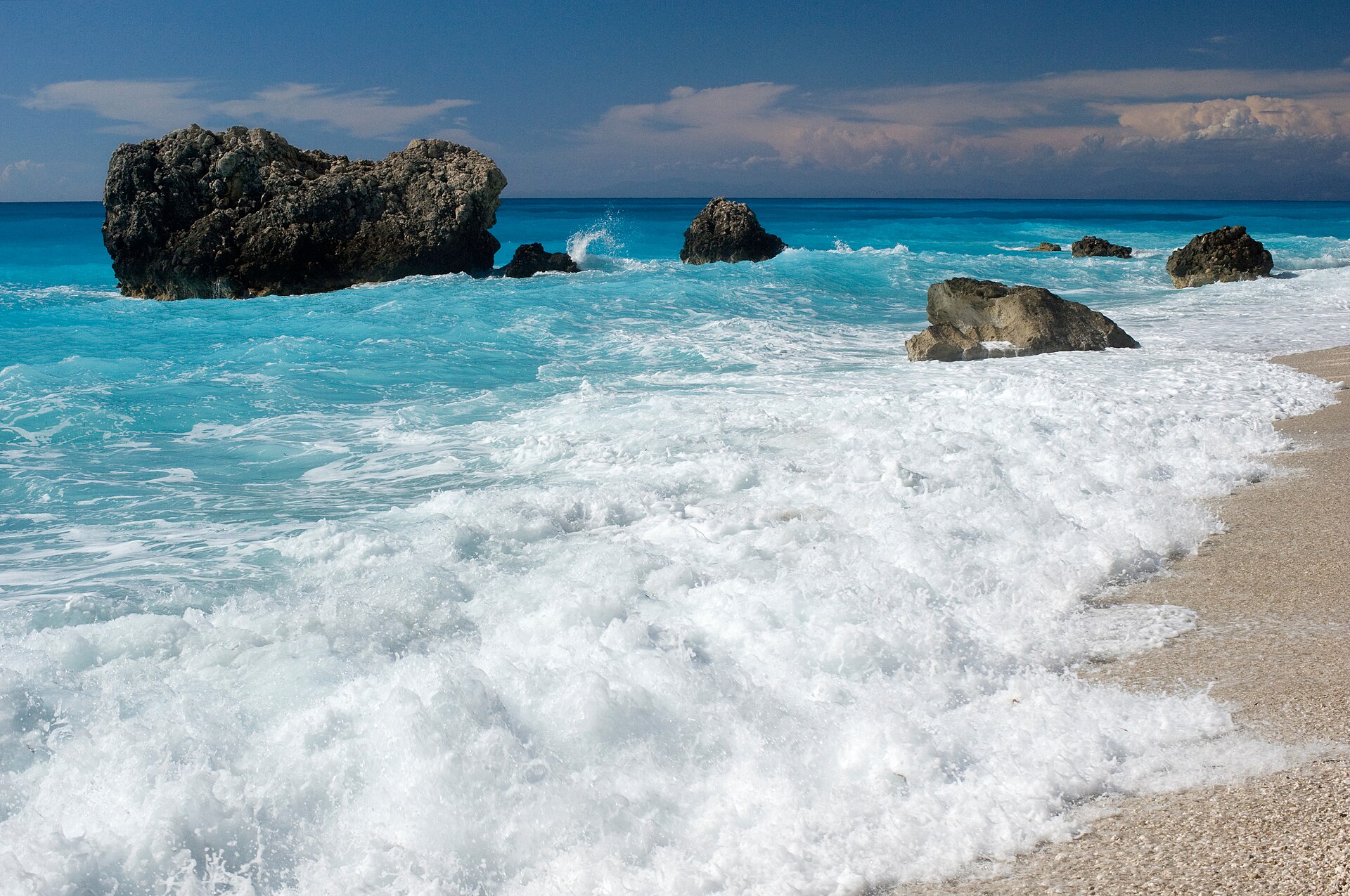
Descending from the village towards the sea along a winding, scenic road, you reach Kavalikefta, one of the island's most spectacular beaches. What makes it unique are the giant limestone boulders dotting the shore and the turquoise waters, creating small natural pools and sheltered nooks. It is a wild place, where the force of erosion has sculpted an almost lunar landscape. Despite a handful of seasonal facilities, Kavalikefta retains an untamed spirit; swimming among its white rocks, immersed in an electric blue, is an experience that reconnects deeply with the power of the natural elements.
Megali Petra: the immensity of nature
Adjacent to Kavalikefta lies Megali Petra, whose name literally means 'Great Rock'. This beach stands out for its breadth and for the colossal boulders that seem to have been hurled by a giant straight into the sea. Here the space is more expansive and the sense of freedom is total. The sand is mixed with small white pebbles that heighten the transparency of the water. Megali Petra is less developed than the more famous beaches to the north, which makes it a favourite destination for those seeking silence and contemplation. The contrast between the blinding white of the cliff and the cobalt shades of the sea is almost moving in its beauty.
Avali: the bohemian corner
A short distance away, Avali beach completes the trio of coastal wonders around Kalamitsi. Known for its relaxed, slightly unconventional atmosphere, Avali is often frequented by those seeking a more informal contact with the sea. A small wooden kiosk, perfectly blended into the landscape, offers refreshment to travellers in a setting reminiscent of the most remote beaches of the Cyclades. It is the ideal spot to wait for sunset, perhaps sipping a Greek coffee or a cool drink, as the sun slowly slips behind the horizon, giving way to a night sky of incredible clarity.
The farming landscape and surrounding nature
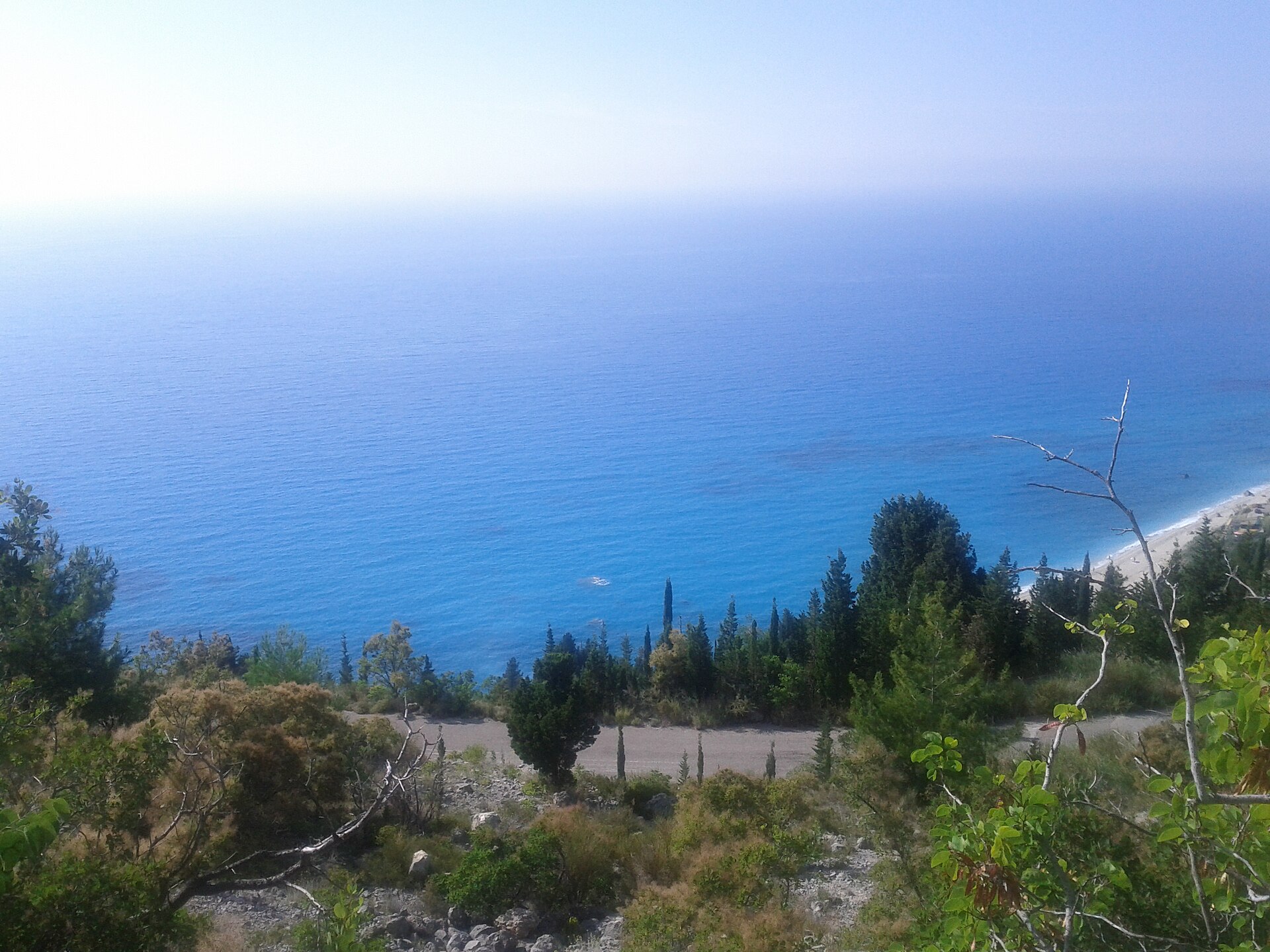
The territory of Kalamitsi is not just about the sea; the hinterland is a mosaic of terraced olive groves, vineyards and Mediterranean scrub. The olive trees, many of them centuries old, are the silent guardians of these hills and yield an oil with an intense, fruity flavour. Walking along the trails that branch off from the village, you can discover an extraordinarily rich flora, which bursts into an incredible variety of colours and scents in spring. The area is ideal for light trekking, allowing you to reach panoramic points from which you can spot the other Ionian Islands and, on the clearest days, even the outline of the Greek mainland.
Gastronomic traditions and local flavours
The cuisine of Kalamitsi is a celebration of the land's produce. The village's taverns serve genuine dishes that follow the rhythm of the seasons. Not to be missed is 'ladopita', a traditional cake made with olive oil, flour and sugar, typical of Lefkada. The locally produced thyme honey is considered one of the finest on the island for its purity and aroma. Meat dishes, such as oven-baked lamb with wild herbs, reflect the village's mountain soul, while oregano hand-picked on the cliffs is used to flavour Greek salads enriched with local cheese. Every meal here is a ritual that honours the simplicity and quality of the ingredients.
Experiences not to be missed in Kalamitsi
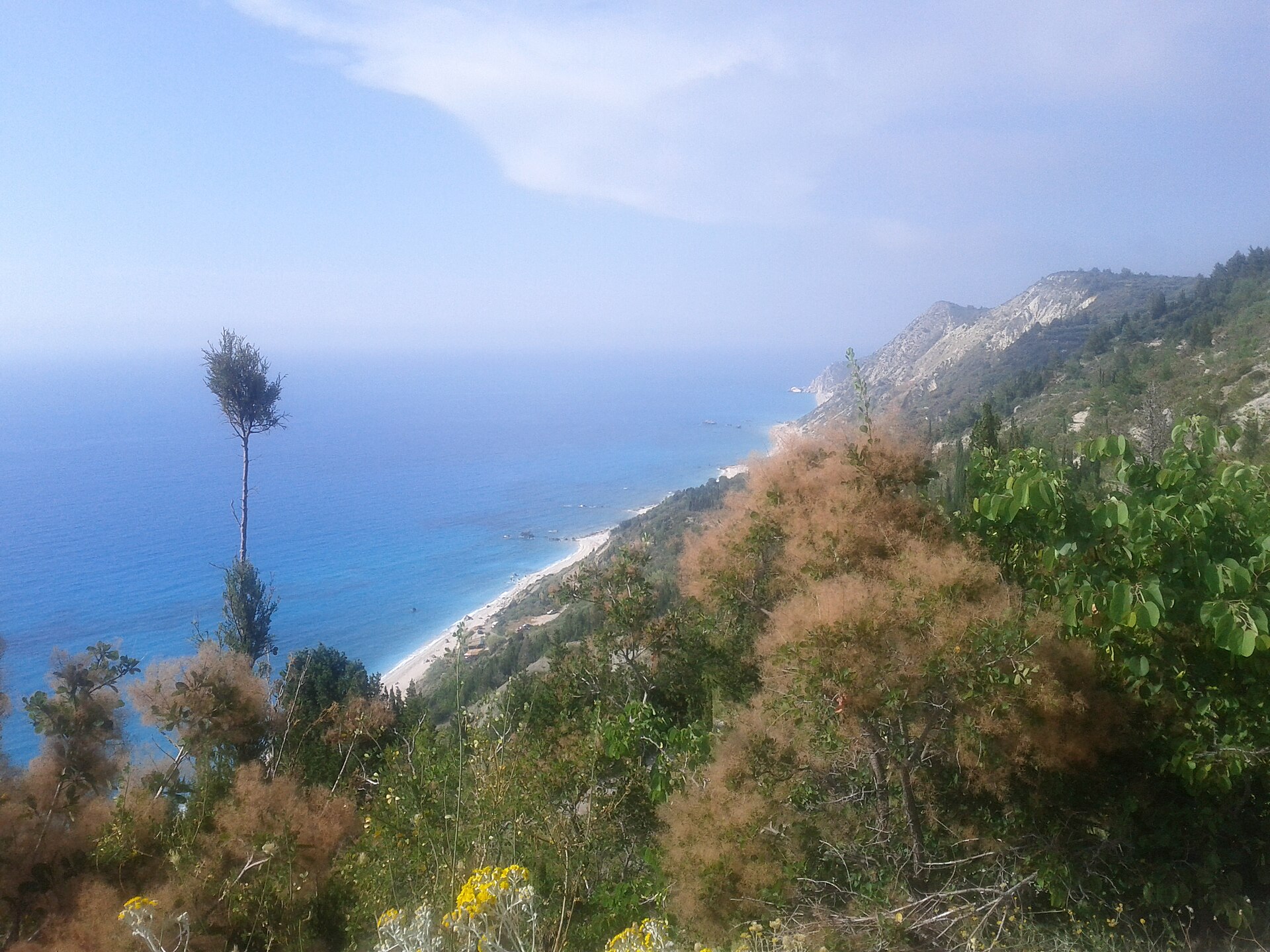
- Admire the sunset from one of the village's panoramic terraces, when the sky turns shades of violet.
- Take a morning swim at Megali Petra, before the crowds arrive, to enjoy absolute solitude.
- Explore the village's less-trodden alleys on foot to uncover the details of its stone architecture.
- Taste the olive oil and honey produced by local farmers directly in the village's small shops.
- Drive the scenic road connecting Kalamitsi to Exanthia to enjoy breathtaking views over the western coast.
- Dine at a traditional tavern, sampling the typical dishes of Lefkada cuisine.
When to go and how to experience the place
The best time to visit Kalamitsi is undoubtedly late spring (May-June) or early autumn (September). In these months the temperatures are pleasant, nature is lush and the beaches are not crowded, allowing you to fully enjoy the village's peace. July and August are the hottest and liveliest months, ideal for those who love beach life, but require a little patience for parking and getting around on the narrow roads. To experience the place at its best, it is recommended to stay in one of the restored stone houses, letting yourself be lulled by the sounds of nature and rediscovering the pleasure of a life without haste.
FAQ
Le spiagge di Kalamitsi sono adatte ai bambini?
È facile parcheggiare vicino alle spiagge?
Qual è il modo migliore per esplorare la zona?
Ci sono servizi nelle spiagge di Kalamitsi?
Getting there
- Aeroporto di Aktion (Preveza) - 40 km
- Da Lefkada città seguire la strada costiera occidentale verso sud in direzione Agios Nikitas, poi proseguire seguendo le indicazioni per Kalamitsi.
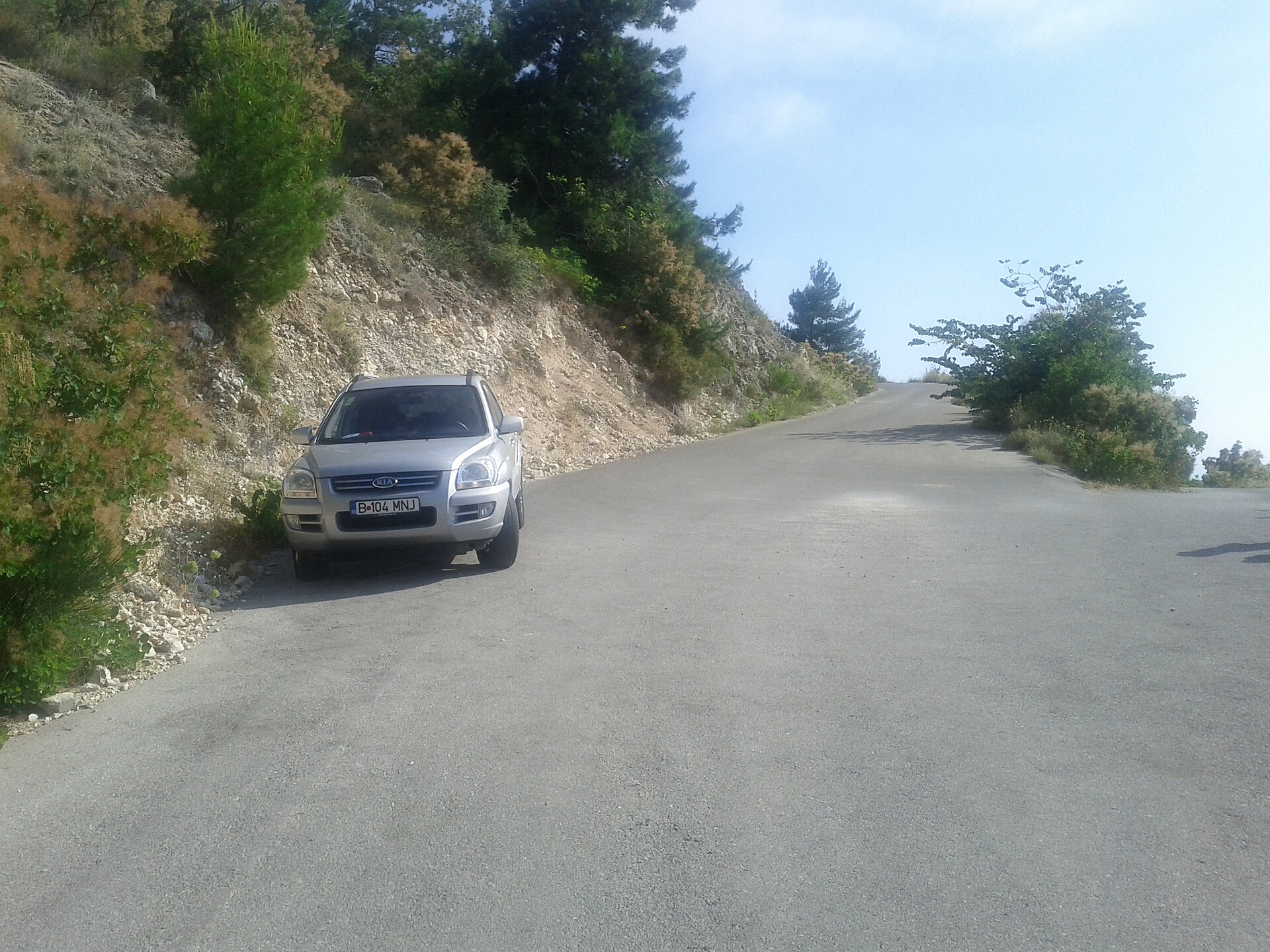
- La strada che scende dal borgo alle spiagge è molto stretta e con numerosi tornanti; guidate con prudenza, specialmente incrociando altri veicoli.
Perfect for
Ideale per chi cerca una fuga dalla frenesia, tra spiagge selvagge e il silenzio rigenerante della montagna.
Un borgo che conserva le tradizioni greche autentiche, dall'architettura in pietra alla gastronomia a chilometro zero.
Un paradiso per i fotografi grazie ai contrasti tra il bianco delle rocce, il blu del mare e i tramonti spettacolari.