Alikanas
Along the northeastern coast of Zakynthos, where the cobalt blue of the Ionian Sea fades into the turquoise tones of a gently slop...
Updated 7 July 2026
This season · July · Summer
What to do in Alikanas now
The story
The story of Alikanas
A journey through time: from Mycenaean roots to the Venetian imprint
The history of Alikanas has roots in a remote and glorious past. Recent archaeological excavations have brought to light finds from the Mycenaean era, suggesting the area was already inhabited millennia ago by communities devoted to maritime trade. Over the centuries, the area came under the influence of various rulers, but it was under the Most Serene Republic of Venice that the territory acquired its agricultural character. The Venetians encouraged the cultivation of olive trees, which still dominate the hinterland today with their gnarled, centuries-old trunks, and organised the salt-pan system in nearby Alykes. Despite the terrible earthquake of 1953, which razed much of the island's historic structures to the ground, Alikanas managed to rebuild itself with tenacity, preserving the rural character that sets it apart from the more urbanised towns of the south.
The Beach of Alikanas: an embrace of sand and light
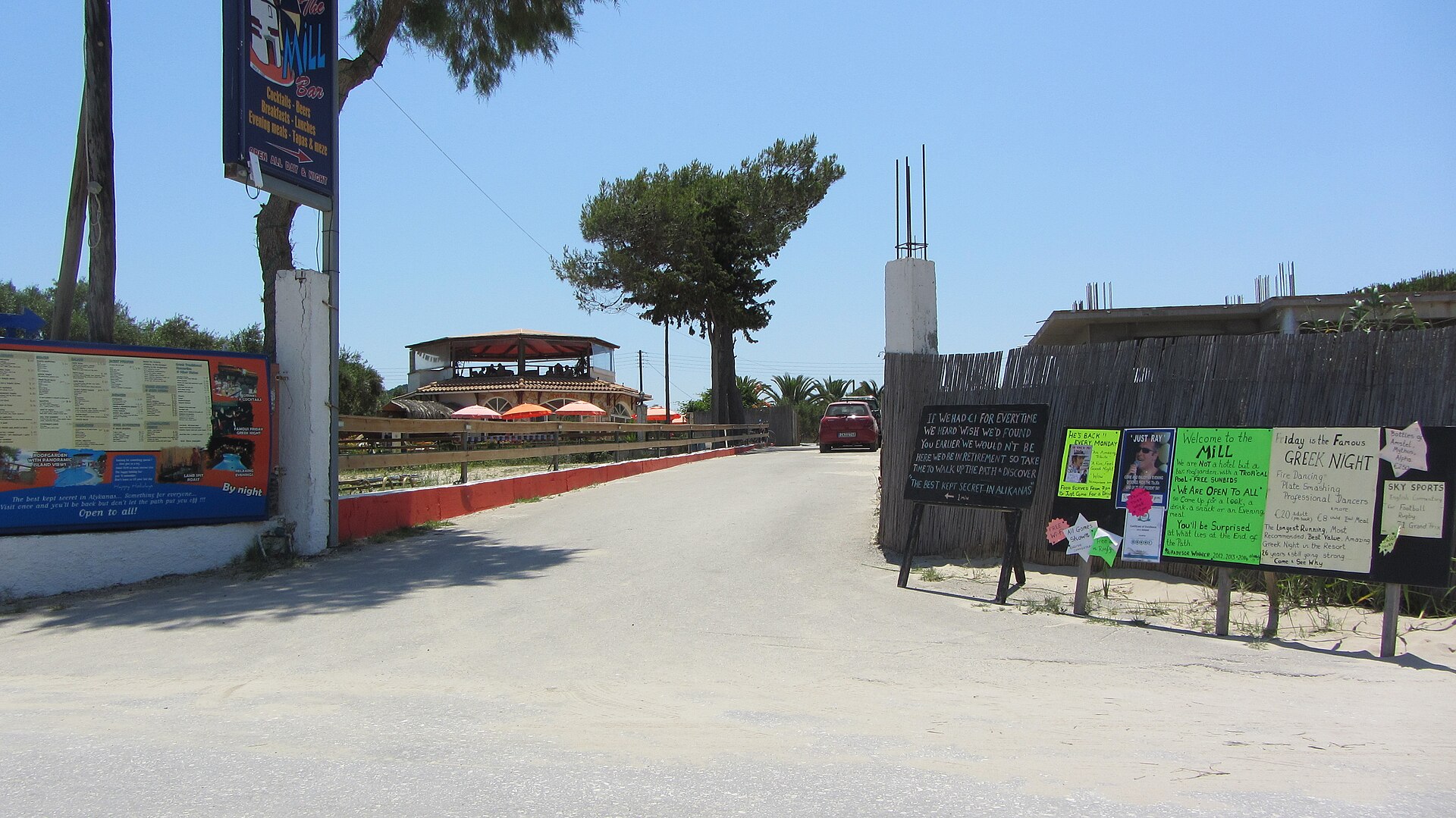
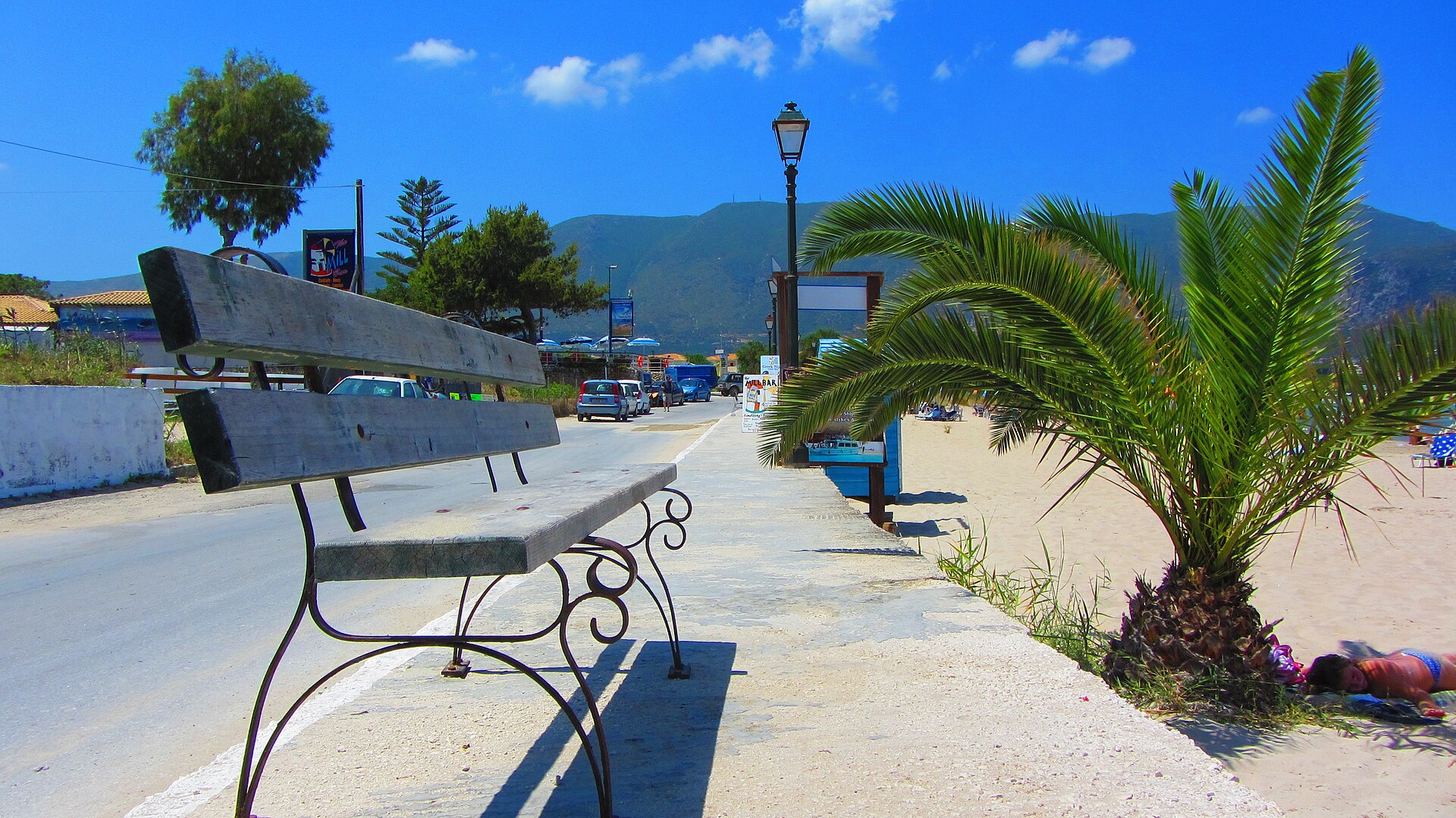
The beating heart of the village is undoubtedly its beach, a long stretch of the finest sand that reaches out into a sea of almost unreal clarity. What makes this stretch of coast special is the shallow depth of the water, which stays low for dozens of metres from the shore, creating a kind of safe, relaxing natural pool. It is not only a paradise for families, but also a place of extraordinary scenic beauty, with views stretching as far as the mountainous silhouette of nearby Kefalonia and the coasts of the Peloponnese in the distance. Early in the morning, when the breeze is still light, the surface of the water looks like a sheet of crystal, ideal for long, restorative walks along the shoreline.
The quiet charm of Old Alikanas
Not far from the modern tourist centre lies the area known as Old Alikanas, the original core of the village. Here the atmosphere changes dramatically: the streets grow narrower, the gardens of the houses fill with bougainvillea, and the pace slows even further. This is where the small fishing harbour is found, where colourful fishing boats bob alongside visitors' vessels. This part of the village retains the flavour of Zakynthos of times past, with small family-run tavernas overlooking the sea where you can enjoy the catch of the day while watching the sunset. It is the perfect place for those seeking a more direct connection with local everyday life and wishing to escape the more commercial circuits.
The Salt Pans of Alykes: the coast's white gold
Alikanas forms an inseparable pair with nearby Alykes, separated only by a short stretch of road. The very name Alykes derives from the salt pans (aliki in Greek) that for centuries were the region's main economic resource. Today the salt pans are no longer in full operation, but they remain a fundamental feature of the landscape: a vast flat area where the salt gleams under the sun, creating a unique chromatic contrast with the green of the surrounding hills. This area also has ecological importance, attracting various species of migratory birds, and is an evocative place to explore on foot or by bicycle, especially during the golden hours of late afternoon, when the reflections on the water pools create unforgettable photographic scenes.
The Pentokamaro Bridge: an architectural legacy
One of the area's most iconic monuments is the Pentokamaro Bridge, located on the Skourtis river, which flows out between Alikanas and Alykes. It is a stone structure dating back to the period of British rule (19th century), characterised by five arches (hence its name) that bear witness to the engineering of the era. Although it may appear simple, the bridge represents a vital link with the island's infrastructural history and offers a picturesque view over the watercourse, surrounded by reed beds and riverside vegetation. It is an obligatory point of passage for those wishing to explore the surrounding area on foot, offering a different perspective on the meeting point between the agricultural hinterland and the coastline.
Exploring the hinterland: the village of Katastari
Behind Alikanas, spread across the slopes of Mount Vrachionas, lies Katastari, the largest village in the area and its historic administrative centre. A visit to Katastari reveals the island's rural life, far from the beaches. The village is famous for its churches, among which the one dedicated to the Virgin Mary stands out, and for the breathtaking panoramic views it offers over the entire bay of Alikanas. Wandering its lanes means meeting elderly locals chatting outside cafés and discovering small craft workshops. Its proximity to the mountain makes Katastari an excellent starting point for excursions and trekking into the island's interior, through pine forests and ancient monasteries partly hidden by vegetation.
Nature and Landscape: between olive groves and cliffs
The landscape surrounding Alikanas is a hymn to Mediterranean biodiversity. The hinterland is an unbroken succession of silvery olive groves, interspersed with vineyards and orchards that yield intensely flavoured produce. Moving north along the coast, the shoreline becomes more rugged and wild, with limestone cliffs plunging steeply into the sea. This environmental variety allows visitors to pass, within just a few minutes, from the calm of the coastal plain to the majesty of mountain panoramas. The local flora, rich in aromatic herbs such as oregano, thyme and sage, scents the air and turns every walk into a complete sensory experience, while the marine fauna, protected in many areas of the island, populates the crystal-clear waters, inviting visitors to go snorkelling.
Traditions and flavours: the cuisine of land and sea
The table in Alikanas is a faithful reflection of the land's generosity. Here, Ionian culinary tradition expresses itself at its best through the use of local ingredients. You cannot say you have truly visited the place without tasting the local extra virgin olive oil, with its bold, fruity flavour, or Verdea wine, a dry white typical of Zakynthos made from native grape varieties. Among the typical dishes, rabbit stew (stifado), prepared with baby onions and spices, stands out, along with fresh fish simply grilled with oil and lemon. The desserts are no less impressive: mandolato nougat and pasteli (a sesame and honey bar) are the ideal way to end a meal, perhaps accompanied by a Greek coffee sipped slowly in one of the many tavernas that bring life to the seafront and the village squares.
Experiences not to be missed in Alikanas
- Hire a small boat from the harbour of Old Alikanas to explore the secluded coves of the northern coast.
- Take part in an olive oil tasting at one of the traditional presses in the hinterland.
- Enjoy a fresh fish dinner at a taverna overlooking the beach under the moonlight.
- Cycle around the perimeter of the ancient Alykes salt pans at sunset.
- Go snorkelling in the crystal-clear waters near the rock formations north of the village.
- Visit the local market to buy thyme honey and olive-wood handicrafts.
When to go and how to experience the village
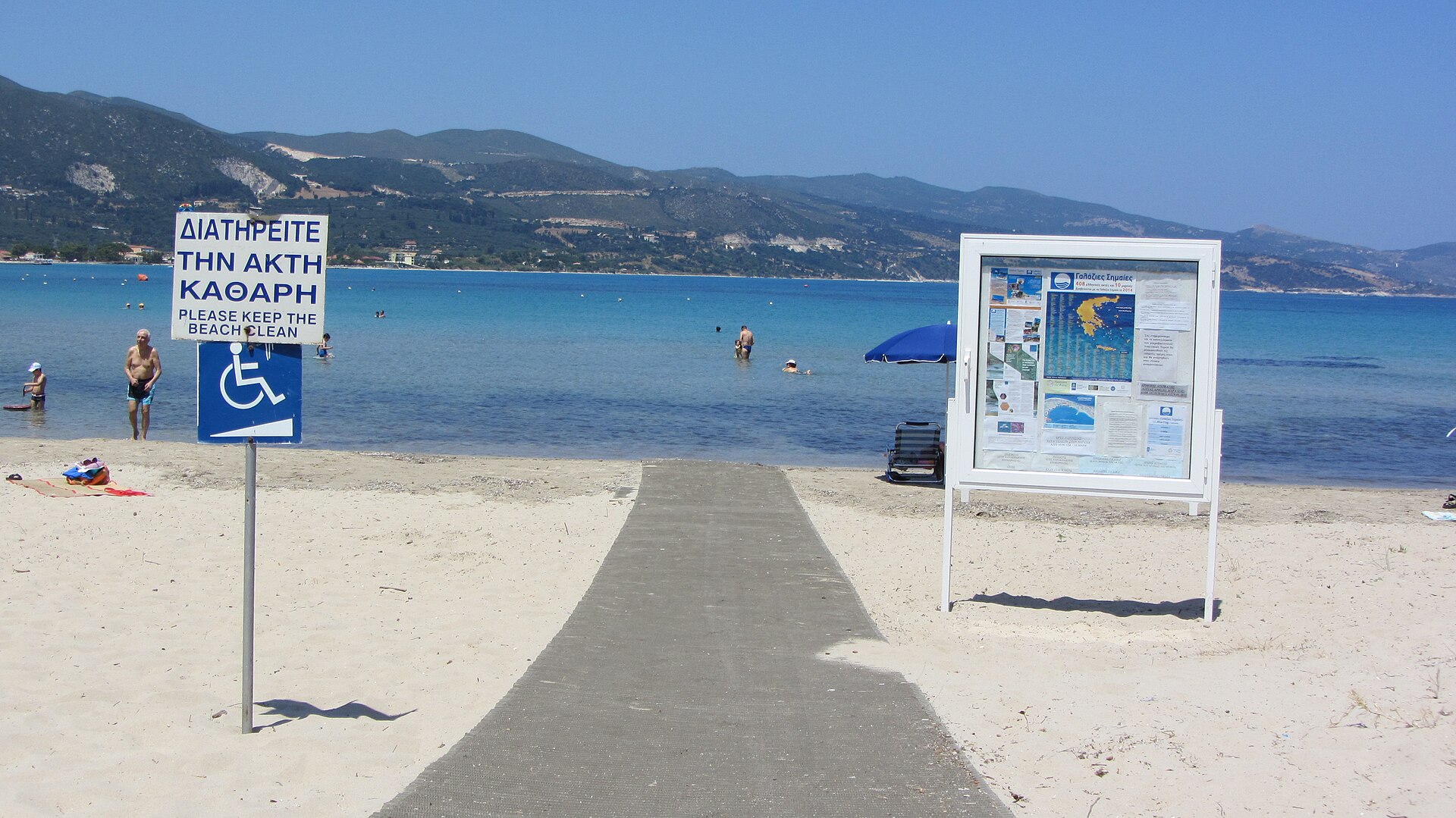
Alikanas reveals different faces depending on the season. Late spring (May and June) is probably the most magical time: nature is in full bloom, temperatures are mild, and the village enjoys absolute tranquillity, ideal for those seeking relaxation and wishing to enjoy the beaches in solitude. High summer (July and August) brings vibrancy and perfect weather for seaside living, with lively evenings filled with events and music in the tavernas. For those who prefer cooler weather and warmer colours, September and early October still offer warm waters and a peaceful atmosphere. Experiencing Alikanas means leaving the car behind and getting around on foot or by bike, letting yourself be guided by curiosity and the pleasure of slow discovery.
FAQ
La spiaggia di Alikanas è adatta ai bambini?
È facile trovare parcheggio ad Alikanas?
Quanto tempo occorre per visitare la zona?
Ci sono escursioni in barca che partono da qui?
Si può raggiungere a piedi il villaggio di Alykes?
Getting there
- Aeroporto Internazionale di Zante 'Dionysios Solomos' (ZTH) - circa 15 km
- Non sono presenti linee ferroviarie sull'isola di Zante.
- Da Zante città, seguire le indicazioni per Katastari/Alykes procedendo verso nord lungo la strada costiera o quella interna.
- Noleggiare un'auto o uno scooter è il modo migliore per esplorare anche le zone collinari e le calette più nascoste nei dintorni.
Perfect for
Le acque basse e le spiagge sabbiose rendono Alikanas una delle mete più sicure e confortevoli per chi viaggia con bambini.
Ideale per chi cerca una vacanza rigenerante tra passeggiate negli uliveti e silenzi interrotti solo dal mare.
Un paradiso per gli amanti dei sapori autentici, dall'olio d'oliva ai vini locali serviti nelle taverne tradizionali.
To see