Ayios Ioannis Dhiakoftis
Suspended between the crystalline blue of the Aegean Sea and the dazzling glitter of Cycladic granite, Ayios Ioannis Dhiakoftis re...
Updated 7 July 2026
This season · July · Summer
What to do in Ayios Ioannis Dhiakoftis now
The story
The story of Ayios Ioannis Dhiakoftis
A history bound to the sacred and the sea
The origins of Ayios Ioannis Dhiakoftis are rooted in the very foundations of Cycladic civilization. Its strategic position, directly opposite Delos, the most important religious center of ancient Greece, influenced its development from the Ionic age onwards. During antiquity, this area likely served as an observation point and landing place for pilgrims heading to the sanctuary of Apollo. Over the centuries, the region experienced the alternating fortunes of the Aegean: from Roman domination to Byzantine rule, through the long Venetian period that left traces in rural architecture and land organization. Under Ottoman rule, Mykonos enjoyed relative autonomy that allowed the development of a merchant fleet and a community of farmers and fishermen who inhabited the Dhiakoftis area permanently, living from the fruits of arid yet generous land and the treasures of the surrounding sea.
The Church of Ayios Ioannis
The spiritual and identity center of the locality is undoubtedly the small white church dedicated to Saint John (Ayios Ioannis), from which the village takes its name. This religious building is a perfect example of Cycladic sacred architecture: pure volumes, walls whitewashed with lime, and a dome that stands out against the deep blue of the sky. The church rises in a dominant position above the main beach and represents the focal point of community celebrations. Every year, on June 24th, one of the island's most heartfelt popular festivals (panigiri) is held here, during which the faithful and visitors gather to honor the saint with traditional songs, dances, and the distribution of local food, perpetuating a ritual that blends Christian devotion with ancient customs of Mediterranean conviviality.
The beach and the film set
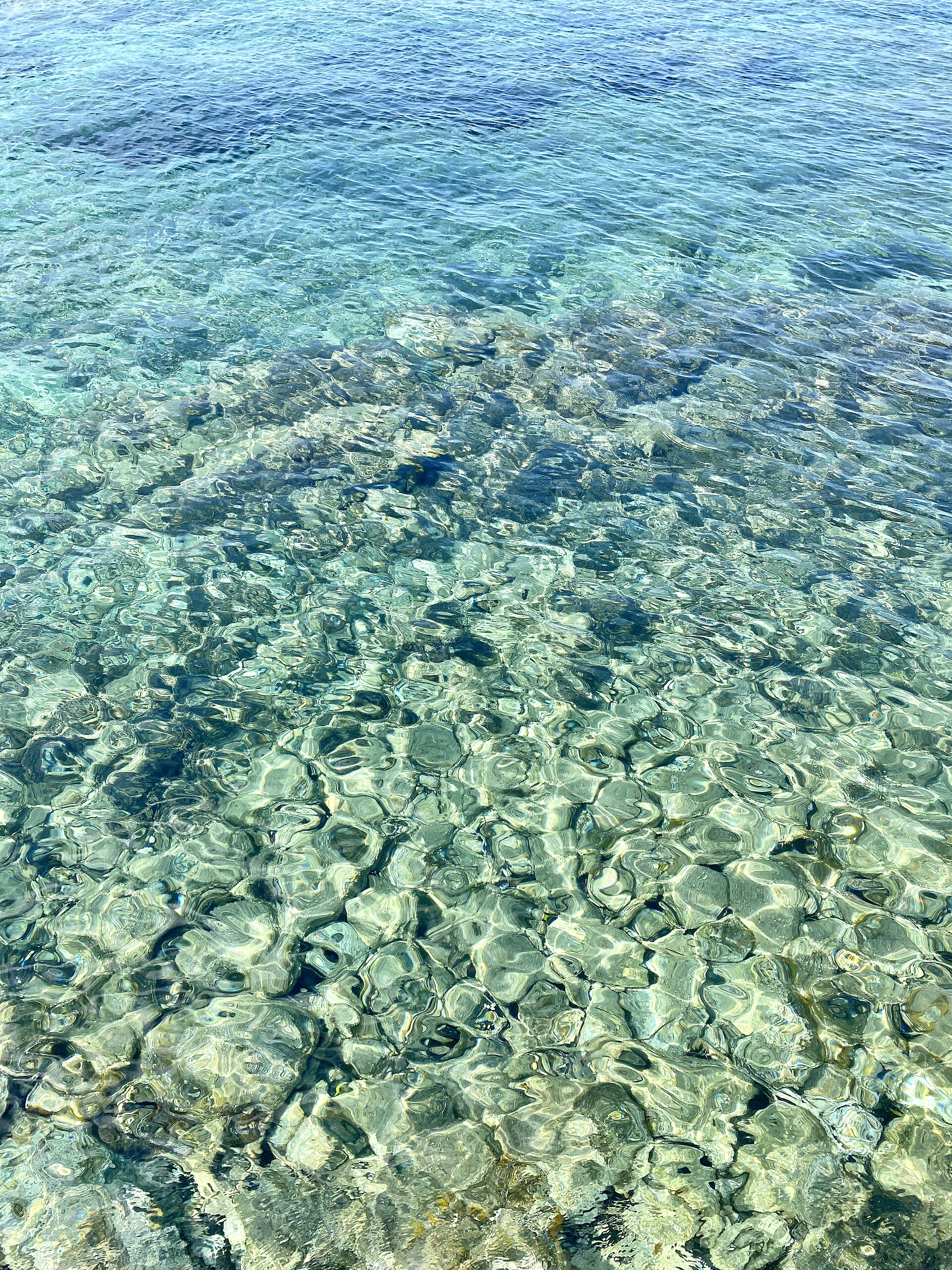
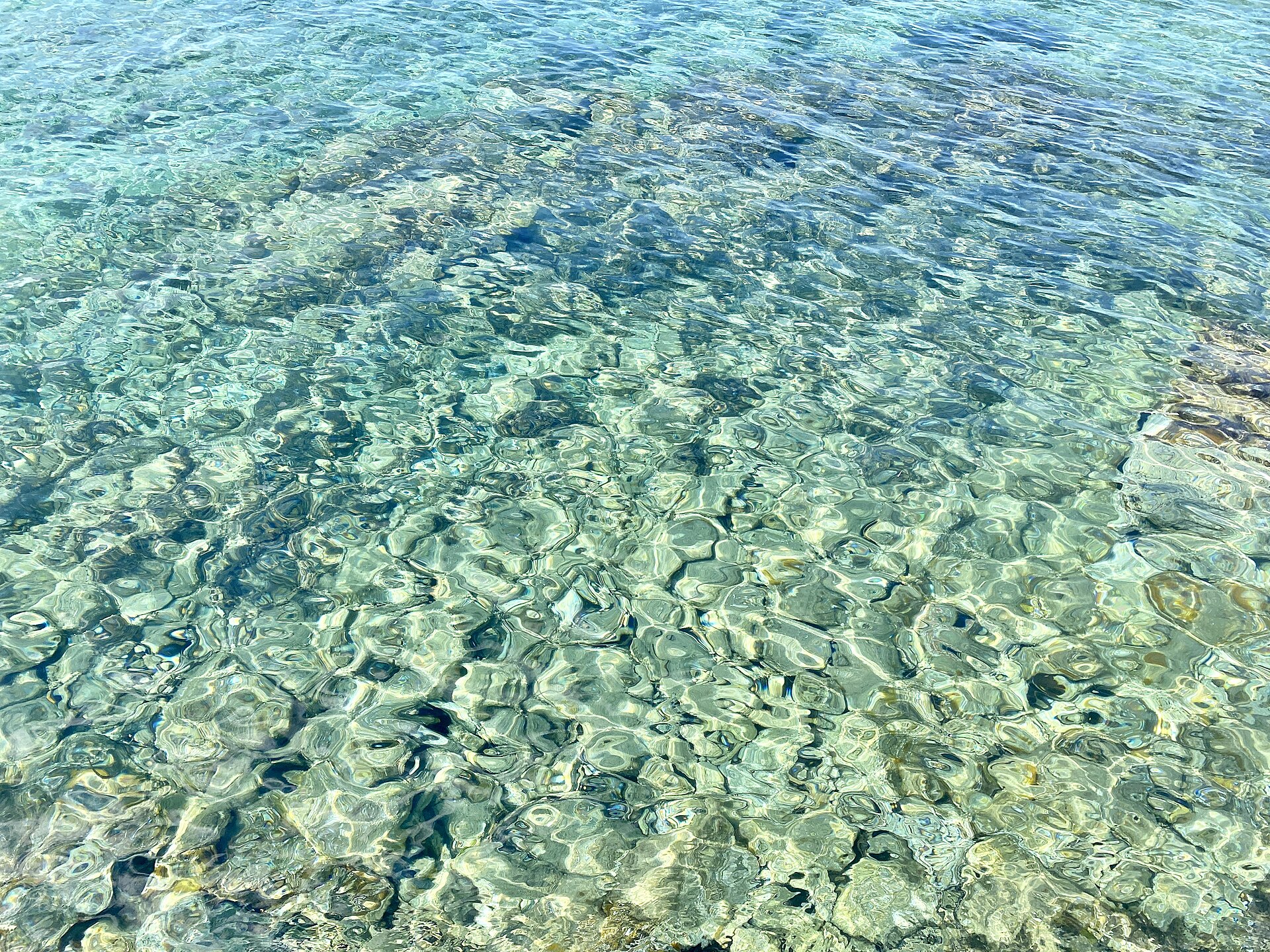
The beach of Ayios Ioannis is considered one of the most beautiful and sheltered on the island, thanks to its exposure which protects it from strong northerly winds. Golden sand slopes gently into turquoise and transparent waters, making it ideal for those seeking relaxation and scenic beauty. The global fame of this beach exploded in the 1980s, when it was chosen as the principal filming location for the British film 'Shirley Valentine'. The film managed to capture the transformative essence of this place, recounting how the light and hospitality of Mykonos can regenerate the spirit. Today, despite the presence of high-level accommodation facilities, the beach retains authentic charm, especially in the early morning hours, when silence is interrupted only by the gentle wash of the waves.
The enigma of Kapari: the secret beach
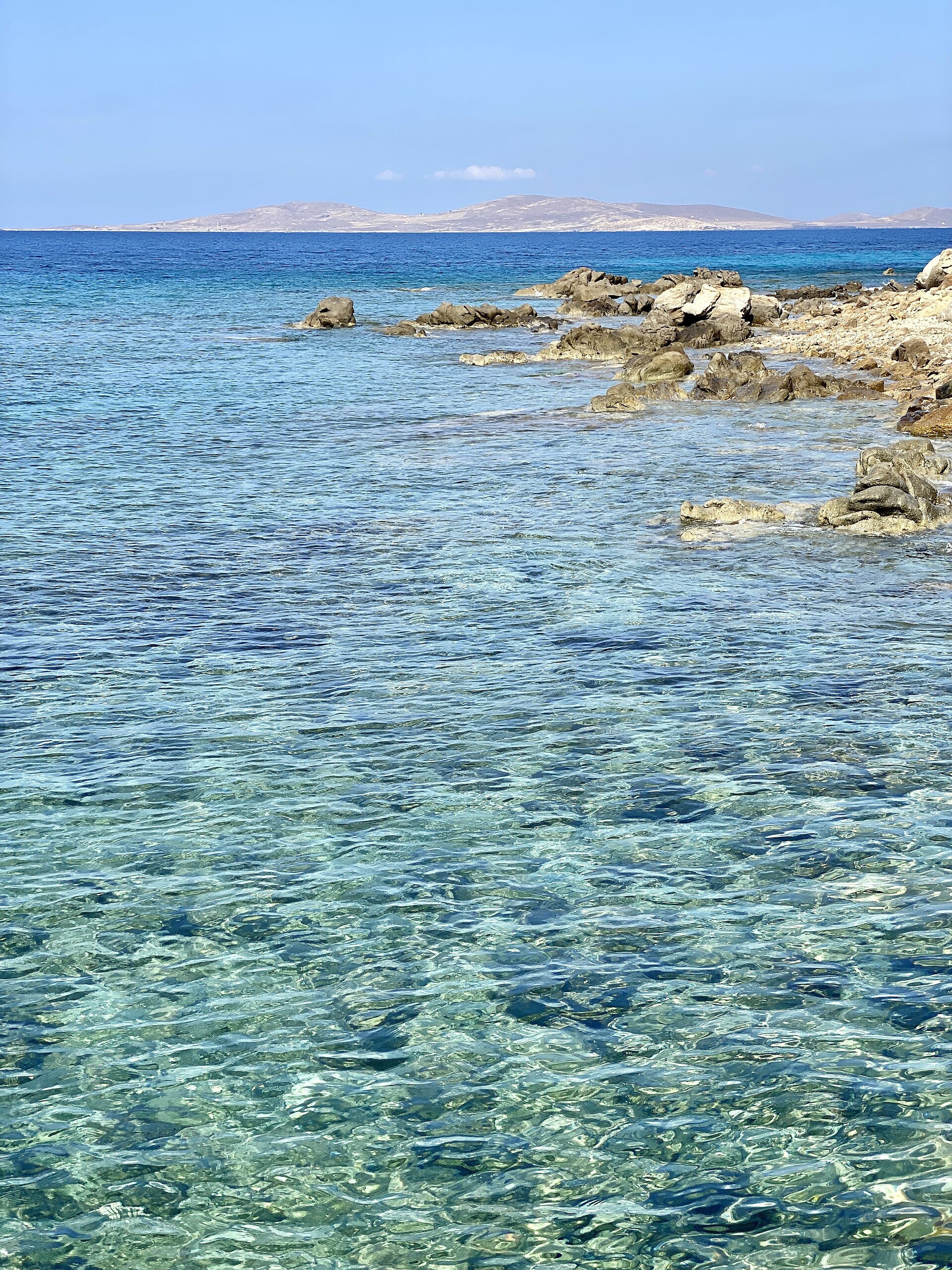
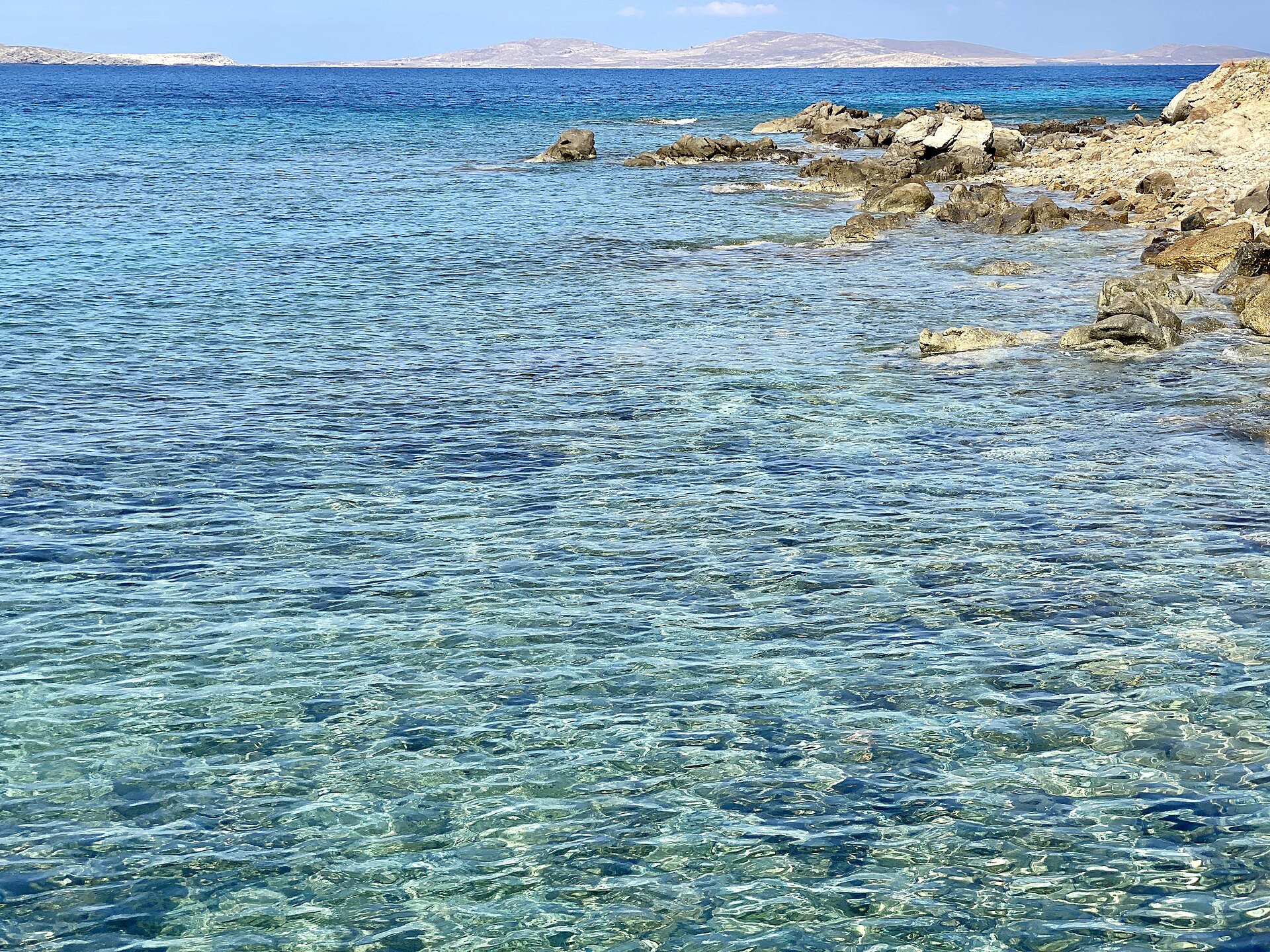
Just beyond the promontory of Ayios Ioannis, following a dirt path that requires a touch of adventure, one reaches the cove of Kapari. This place represents the wildest and most unspoiled side of the area. Free of beach clubs or services, Kapari is framed by spectacular rock formations smoothed by wind and sea, which appear like natural sculptures. It is the preferred refuge for those wishing direct contact with nature and a privileged view of the island of Delos. Here the water is of extraordinary purity and the rocky seabeds offer interesting scenery for snorkeling enthusiasts. The beach is also the ideal place to admire the sunset in solitude, far from society, surrounded only by the scent of wild aromatic herbs growing among the rocks.
The landscape and the Dhiakoftis peninsula
The morphology of the Dhiakoftis peninsula is characterized by a fascinating contrast between the hardness of granite and the gentleness of marine coves. The terrain is dotted with typical Mediterranean scrub, where shrubs of mastic, juniper, and, naturally, caper plants (kapari) that give name to the nearby beach resist. The immediate hinterland still preserves 'xerolithia', dry-stone walls built with millennial wisdom to delimit properties and protect scarce crops from wind. Walking along the crests of the peninsula, the gaze spans 360 degrees over the Cycladic archipelago, allowing one to see not only Delos and Rhenia, but on the clearest days also the profiles of Tinos and Syros, offering an immediate visual understanding of the geography of this mythic sea.
Gastronomic traditions and local flavors
Living in Ayios Ioannis also means immersing oneself in the decisive flavors of Mykonian cuisine. The local culinary tradition is based on humble ingredients transformed with mastery. One cannot claim to have truly known the place without having tasted 'Kopanisti', a PDO cheese with a spicy and aromatic flavor, perfect for spreading on 'paximadi' (twice-baked bread). Another protagonist is 'Louza', a cured pork loin dried in the sun and seasoned with spices, reflecting the ancient necessity of preserving meat through long winter months. In restaurants overlooking the bay, the freshest fish is the king of the table, often prepared simply to enhance its marine flavor, accompanied by local white wines that draw minerality from the volcanic and granitic soil of the island.
Experiences not to miss
- Admire the sunset from Kapari beach with a frontal view of Delos.
- Participate in the Panigiri of Ayios Ioannis on June 24th to experience authentic Greek spirit.
- Go snorkeling along the cliffs that separate the various coves of the peninsula.
- Dine in one of the taverns on the beach savoring grilled octopus and ouzo.
- Walk the trails between dry-stone walls to discover unseen panoramic corners.
- Visit the church of Ayios Ioannis in the late afternoon, when warm light enhances its forms.
When to go and how to experience the place
The ideal period to visit Ayios Ioannis Dhiakoftis runs from May to October. Late spring (May and June) offers spectacular blooms and mild temperatures, ideal for hiking, while tourist flow is still contained. July and August are the hottest and liveliest months; despite the Meltemi blowing persistently, the bay of Ayios Ioannis remains one of the most protected spots on the island. September and early October perhaps represent the magical moment: the sea is still warm, light becomes softer and the atmosphere grows more intimate and reflective. To fully experience the place, it is advisable to rent your own transport to explore even the more interior zones and to dedicate at least one day to silent contemplation of the sea, allowing yourself to be lulled by the slow rhythm of the Greek islands.
FAQ
È possibile parcheggiare vicino alla spiaggia di Ayios Ioannis?
La spiaggia è adatta alle famiglie con bambini?
Quanto dista Ayios Ioannis dalla città di Mykonos (Chora)?
Cosa rende speciale il tramonto qui rispetto ad altre zone dell'isola?
Ci sono sentieri per camminare nei dintorni?
Getting there
- Aeroporto di Mykonos (JMK) - circa 5 km
- Non presenti sull'isola
- Dalla Chora di Mykonos seguire le indicazioni verso sud-ovest per Ornos e successivamente per Ayios Ioannis.
- Il servizio di autobus (KTEL) collega regolarmente la Fabrika di Mykonos Town con Ayios Ioannis durante tutta la stagione estiva.
Perfect for
Ideale per chi cerca acque calme, sabbia fine e un'atmosfera più tranquilla rispetto alle spiagge del sud dell'isola.
La vista costante su Delos e la presenza della chiesetta storica offrono un legame profondo con il passato ellenico.
Una meta imperdibile per gli appassionati di cinema che vogliono rivivere le atmosfere del film Shirley Valentine.
To see