Lourdhata
Nestled along the southern slopes of the majestic Mount Ainos, Lourdhata (also known as Lourdata) reveals itself to travelers as a...
Updated 7 July 2026
The story
The story of Lourdhata
Historical roots: between Byzantium and Venetian influence
The history of Lourdhata is inextricably linked to the events of the island of Kefalonia, a strategic crossroads in the Mediterranean that witnessed the passage of various rulers. Although traces of the earliest settlements date back to the Byzantine era, it was under the long rule of the Most Serene Republic of Venice that the territory took on the agricultural character that still defines it today. The Venetians encouraged the cultivation of olive groves and vineyards, exploiting the valley's natural fertility and the abundance of freshwater springs flowing from the Ainos massif. This period of relative stability allowed a solid rural economy to develop, one that survived even the brief French interlude and the subsequent British protectorate. A watershed event for the entire community was the devastating earthquake of 1953, which razed much of the old stone structures to the ground; nevertheless, reconstruction respected the harmony of the landscape, keeping intact the spirit of a village that lives in symbiosis with its land.
Lourdas Beach: an arc of light and sand
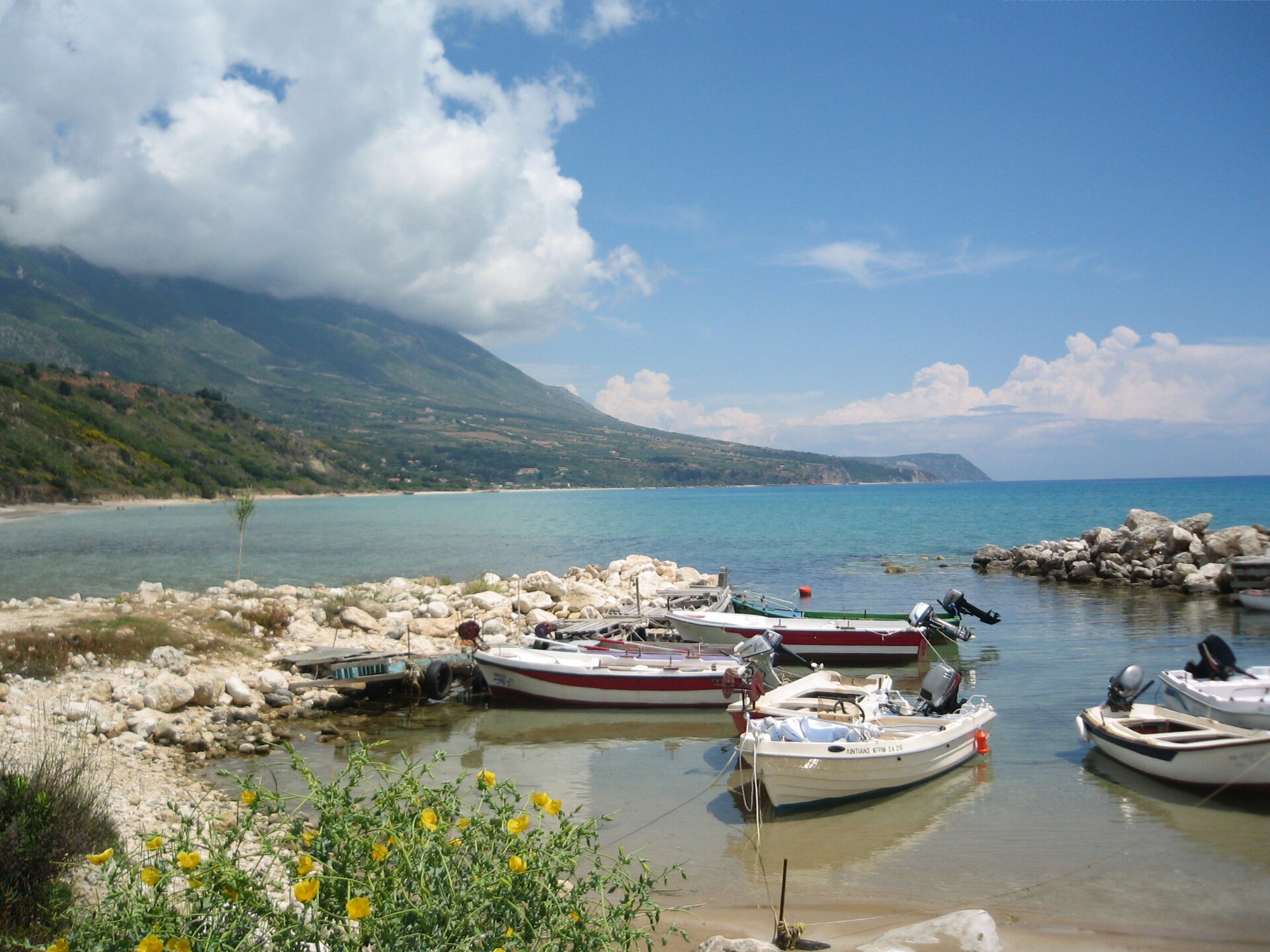
Lourdas Beach is the undisputed jewel of the area, a long stretch of sand mixed with small white pebbles extending for over a kilometer. What makes it special is the almost hypnotic clarity of its waters, which shade from turquoise to cobalt blue as the seabed deepens. Behind the shore, vegetation slopes steeply down to meet the coast, creating an emerald-green frame that shelters the bay from northerly winds. Although well equipped with taverns and small facilities, the beach retains free and wild stretches where one can enjoy the silence and the vastness of the horizon. It is the ideal place for long sunset walks, when the sun sets behind the headland tinting the sky in rosy hues, offering a spectacle that makes peace with the world.
Plane Tree Square: the beating heart of the village
The true social hub of Lourdhata is not found along the coast, but in the upper part of the village, where the main square stands, dominated by a majestic centuries-old plane tree. This monumental tree, with its wide, protective branches, acts as a natural umbrella for residents and travelers who gather here for a Greek coffee or a game of backgammon. Beside the plane tree, a fresh spring of water flows directly from the rock, testament to the rich groundwater beneath. The square embodies the essence of community life: it is here that the main festivities take place, and where, on summer evenings, the air fills with convivial chatter from the surrounding taverns. It is an essential stop for anyone wishing to feel the authentic pulse of Kefalonia, far from the more commercial circuits.
The Monastery of Sissia: between devotion and legend
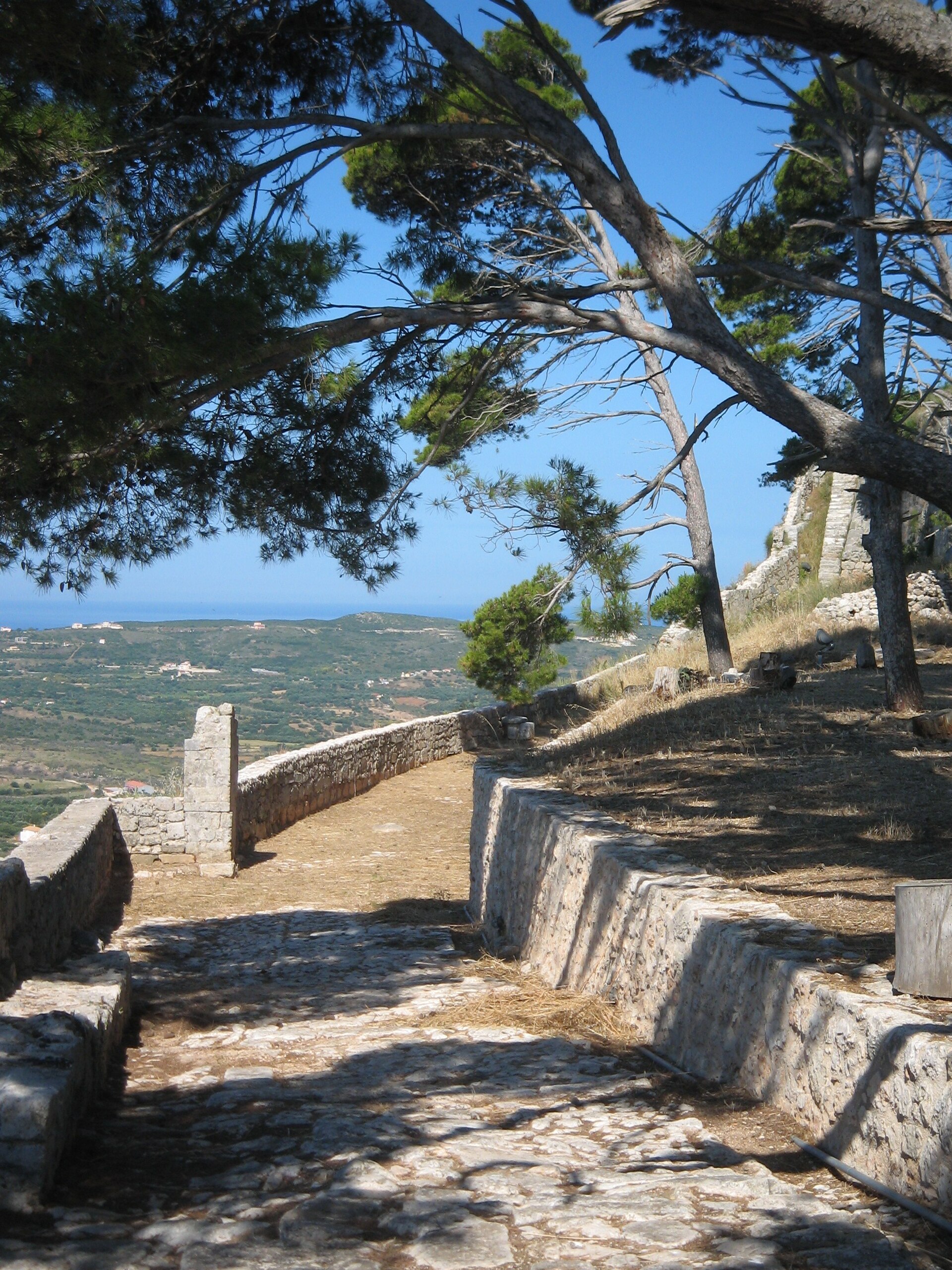
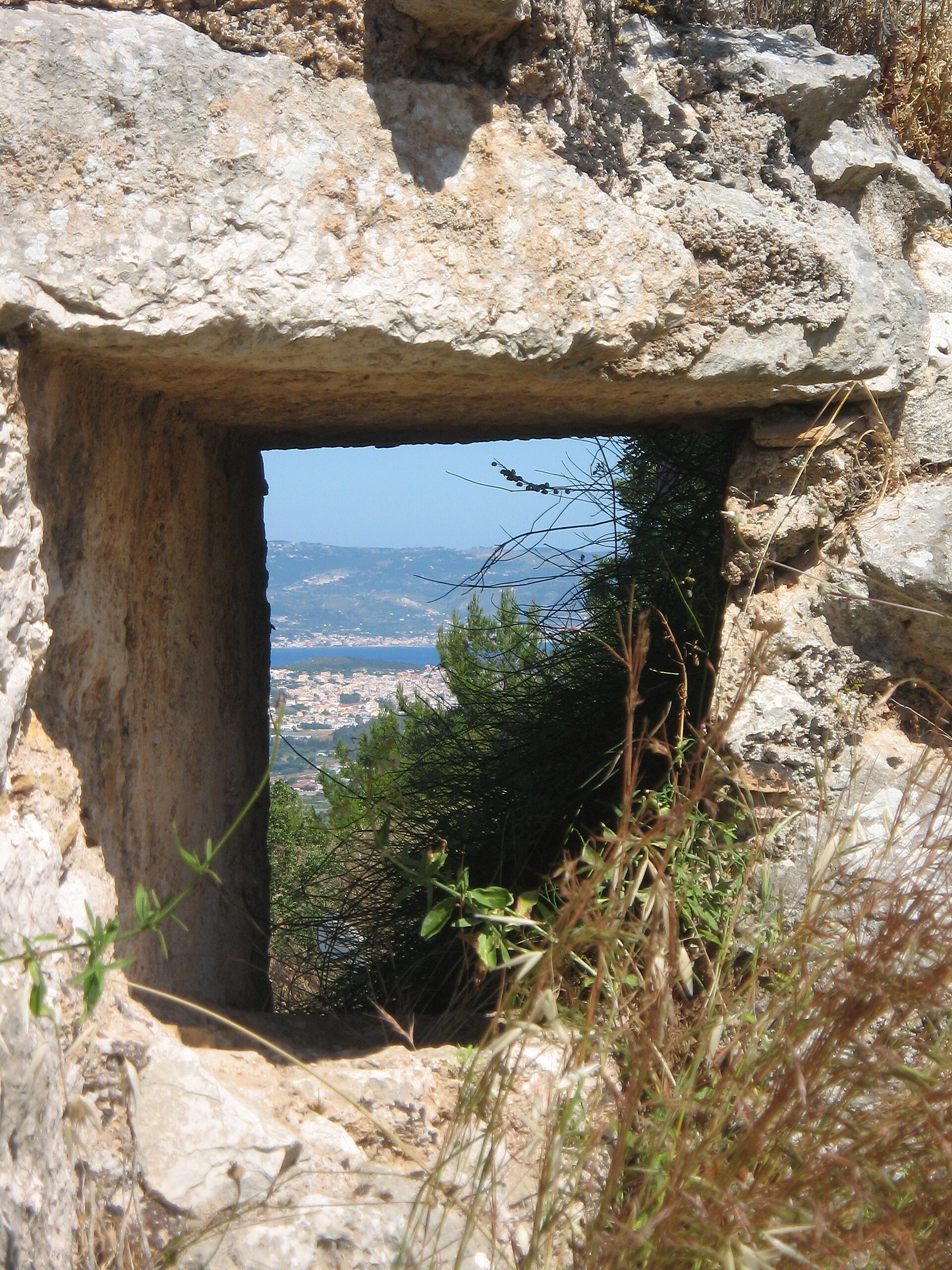
A short distance from Lourdhata, immersed in mystical solitude, stands the Monastery of Sissia, one of the island's oldest and most fascinating places of worship. Tradition holds that it was founded in the 13th century by Saint Francis of Assisi during his return journey from the Holy Land, although the current structures reflect later rebuilding. The complex is divided into two parts: the evocative ruins of the old monastery, badly damaged by the 1953 earthquake, and the new church located a little further up. The ruins, enveloped in vegetation that seems to want to protect them, still preserve faded frescoes and an atmosphere of absolute peace. The monastery houses the icon of the Virgin of Sissia, an object of great veneration, and offers an unrivaled view of the sea, confirming itself as a place where spirituality and natural beauty merge into a single embrace.
Mount Ainos: the giant watching over the valley
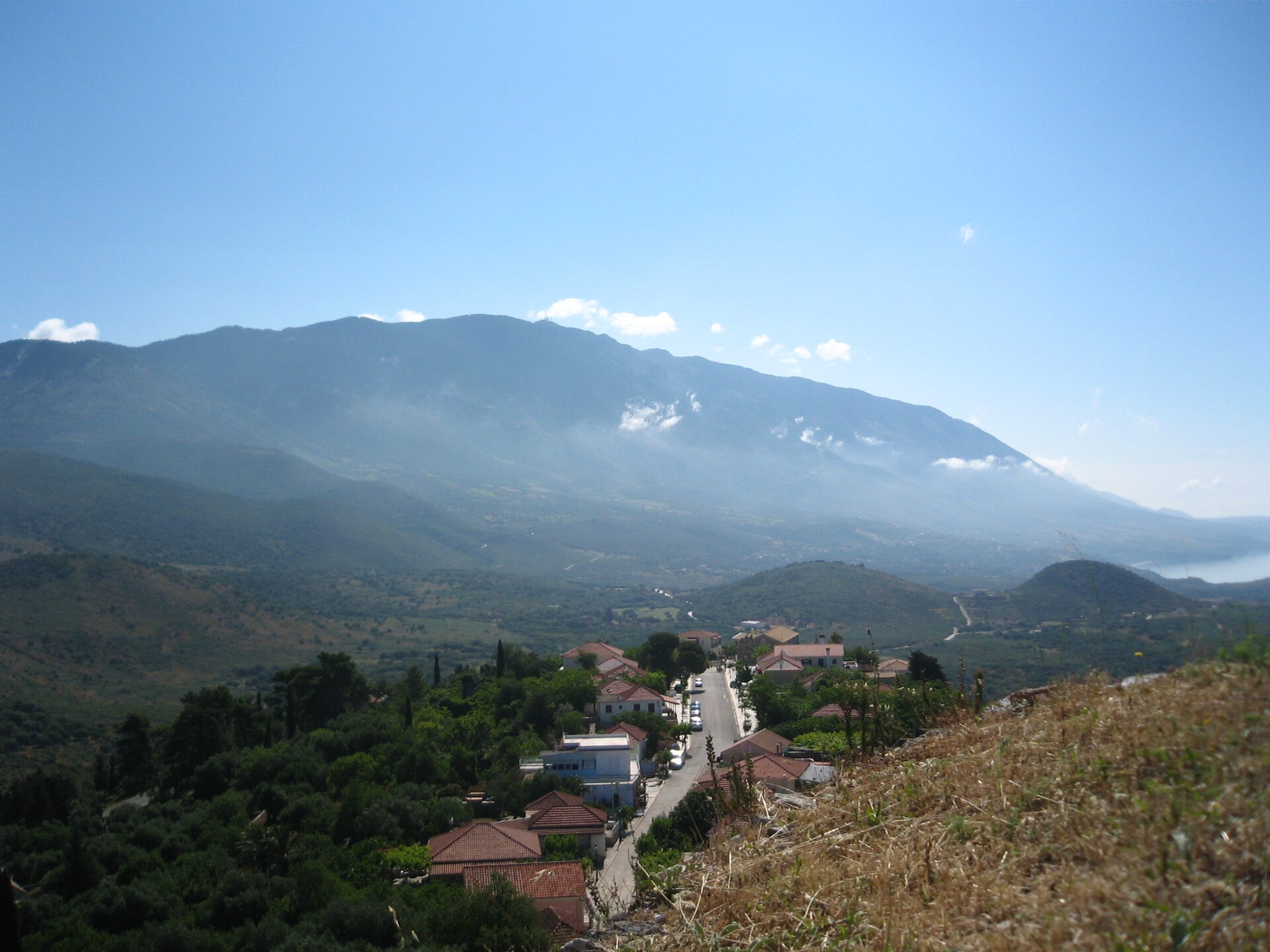
Lourdhata is dominated by the imposing outline of Mount Ainos, the highest peak in the Ionian Islands, declared a National Park. This mountain is famous for hosting an endemic species of fir, the Abies cephalonica, whose dark forests earned it the name 'Black Mountain' from the Venetians. The hinterland surrounding the village is a paradise for trekking and nature-hiking enthusiasts, with trails winding among limestone rocks and dense woods, where it is not uncommon to spot the famous wild horses roaming freely on the slopes. The mountain's presence deeply influences Lourdhata's microclimate, ensuring cool evenings even in the hottest months and an extraordinary biodiversity reflected in the richness of local produce, from fragrant honeys to wild medicinal herbs.
Surroundings and localities: from Trapezaki to Vlachata
The area around Lourdhata is dotted with small hamlets and lesser-known beaches well worth a closer look. A few minutes' drive away lies Trapezaki, a more intimate and sheltered beach, characterized by shallow, warm waters ideal for families. Heading up towards the main road, one encounters the villages of Vlachata and Simotata, offering natural balconies from which to admire the entire bay and the island of Zakynthos on the horizon. These localities preserve a simple, dignified rural architecture, with red-tiled roofs and courtyards full of bougainvillea. Exploring the surroundings means immersing yourself in a landscape of centuries-old olive groves and small terraced gardens, where the land is still worked using traditional methods, offering a sense of historical and cultural continuity that is hard to find elsewhere.
Traditions and flavors: cuisine of the land and the sea
The gastronomy of Lourdhata is a hymn to simplicity and the quality of its raw ingredients. Being a village with a strong agricultural character, its typical dishes celebrate the fruits of the land. One cannot leave without tasting the famous Kreatopita, the Kefalonian meat pie enriched with rice and local spices, or the Feta cheese produced by shepherds on the slopes of Ainos. The area is also renowned for the production of Robola wine, a dry, mineral white wine that owes its uniqueness to the mountain's limestone soil. In the taverns along the coast, the day's fresh catch is served simply grilled, dressed with local extra-virgin olive oil and lemon. The desserts are no less impressive: Mandoles, the island's typical caramelized almonds, make the perfect end to a day devoted to good taste.
- Stroll along Lourdas Beach at first light for maximum tranquility.
- Sample a glass of Robola at one of the local wineries on the slopes of Mount Ainos.
- Visit the ruins of the Old Monastery of Sissia for a dive into the island's medieval history.
- Dine in the village square beneath the great plane tree, savoring traditional cuisine.
- Walk the trails of Ainos National Park in search of the wild horses.
- Explore by kayak the small isolated coves near Trapezaki, accessible only by sea.
When to go and how to experience the place
The best time to visit Lourdhata is from May to October. Late spring (May and June) is ideal for nature lovers: temperatures are mild, flowers are in full bloom, and mountain trails are perfect for trekking. July and August are the hottest and busiest months, ideal for those seeking seaside life and lively evenings, although Lourdhata always retains a certain composure compared to other resorts. September offers still-splendid weather with warm waters and a more relaxed atmosphere, perfect for a rejuvenating stay. To fully experience the place, it is advisable to rent your own vehicle to move freely between the coast and the inland villages, letting curiosity and the slow pace that this part of Kefalonia naturally imposes on its visitors be your guide.
FAQ
La spiaggia di Lourdas è adatta ai bambini?
È necessario noleggiare un'auto a Lourdhata?
Ci sono parcheggi vicino alla spiaggia?
Quanto tempo occorre per visitare la zona?
Lourdhata è una località rumorosa?
Getting there
- Aeroporto Internazionale di Cefalonia (EFL) - circa 15 km
- Non sono presenti linee ferroviarie sull'isola.
- Da Argostoli, seguire la strada costiera verso sud-est in direzione Skala; Lourdhata è ben segnalata lungo il percorso.
- La strada che scende dal villaggio alla spiaggia è molto ripida e stretta: guidate con prudenza, specialmente nei mesi estivi più trafficati.
Perfect for
La vicinanza al Parco Nazionale del Monte Ainos rende Lourdhata una base perfetta per escursioni tra boschi di abeti rari e panorami mozzafiato.
Con la sua lunga spiaggia Bandiera Blu e le acque cristalline, è il luogo ideale per chi cerca una vacanza di solo mare e sole.
Un paradiso per i buongustai che desiderano scoprire il vino Robola e i prodotti genuini di una terra ancora profondamente agricola.