Kato Katelios
Nestled in one of the few flat areas on the island of Kefalonia, Kato Katelios presents itself as a haven of quiet authenticity, f...
Updated 7 July 2026
This season · July · Summer
What to do in Kato Katelios now
The story
The story of Kato Katelios
Historical roots: between sea and mountain
The history of Kato Katelios is intrinsically linked to that of the village of Pastra, perched on the heights above. For centuries, Katelios was not a permanent settlement but served as a natural harbor and farming area for the inhabitants of the hinterland. During the period of Venetian rule, the area was exploited for its fertile land, sheltered from the winds by the shape of the valley. However, the constant threat of pirates forced the population to live up in the hills, coming down to the shore only to fish or farm. The village's current appearance is the result of a necessary rebuilding: the devastating earthquake of 1953, which struck all the Ionian Islands hard, razed the old stone structures to the ground. The inhabitants, with patience and dedication, rebuilt the village while keeping its intimate atmosphere, turning what was once a simple landing place into a welcoming community that has never forgotten its seafaring calling.
Agia Varvara Beach
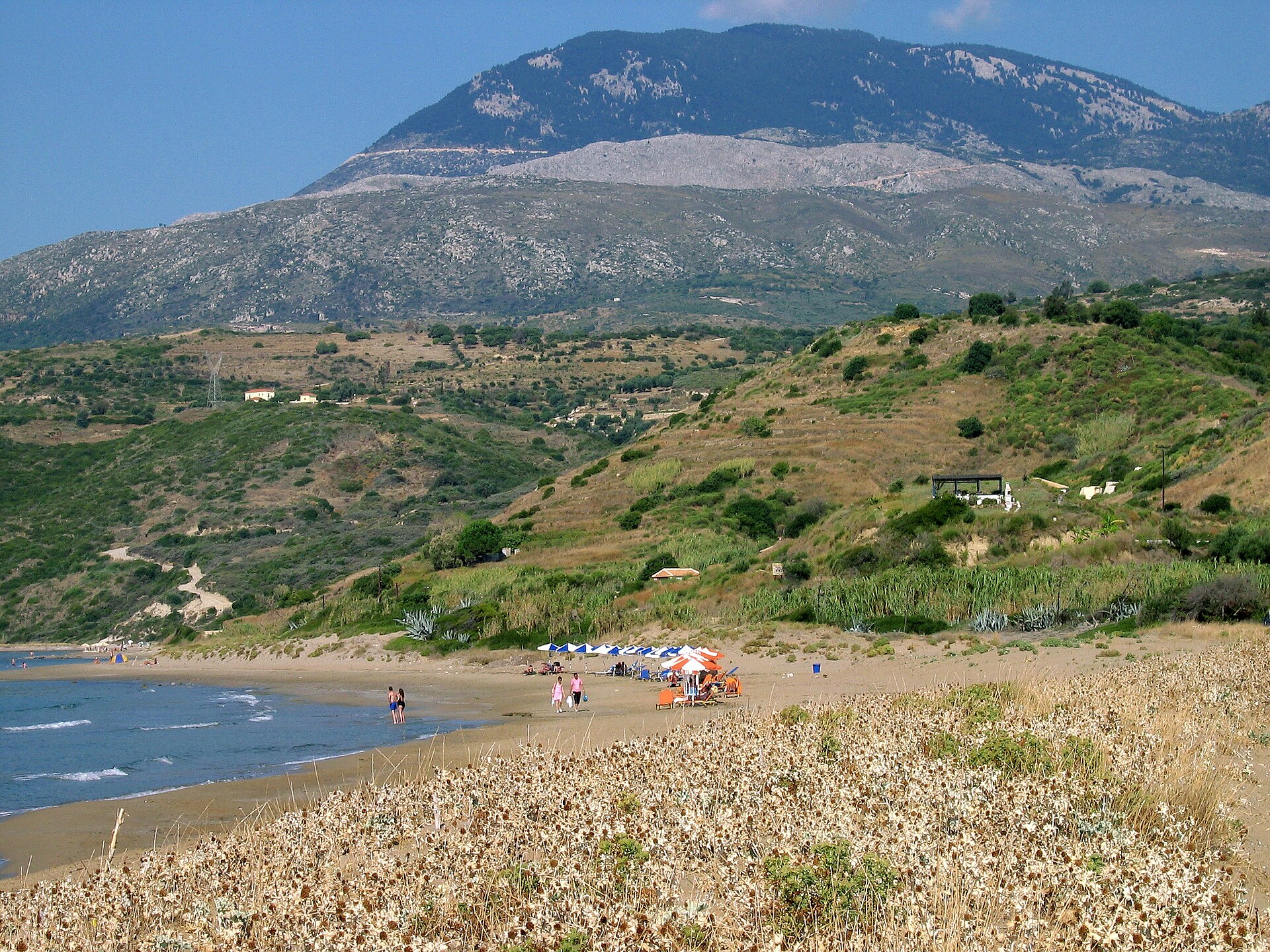
The beating heart of summer life in Katelios is Agia Varvara beach, a long stretch of shore made up of a mix of golden sand and small pebbles smoothed by the sea. What makes this stretch of coast special is its unspoiled character and the shallow waters, which stay shallow for many meters, making it ideal for families and for those who love long, restorative walks in the water. Unlike other beaches on the island, human intervention here has remained discreet: few sun umbrellas and plenty of freedom. The beach is fringed by lush vegetation that offers natural shade, while the sandy seabed is perfect for light snorkeling, allowing visitors to observe the marine life that populates the crystal-clear waters of the southern Ionian Sea.
The Environmental Education Centre
More than just a museum, the Environmental Education Centre run by the 'Katelios Group' represents the ethical soul of the village. Founded to protect local biodiversity, the centre focuses in particular on safeguarding the loggerhead sea turtle, Caretta caretta, which chooses the nearby beaches of Mounda and Kaminia for nesting. Inside, visitors can deepen their knowledge of the island's flora and fauna through information panels, artefacts, and volunteers' testimonies. It is a key place for understanding the delicate balance between tourism and conservation: here you learn how human behaviour can affect the survival of ancient species, making a stay in Katelios an experience of ecological awareness as well as leisure.
The village of Pastra and the miracle of the lilies
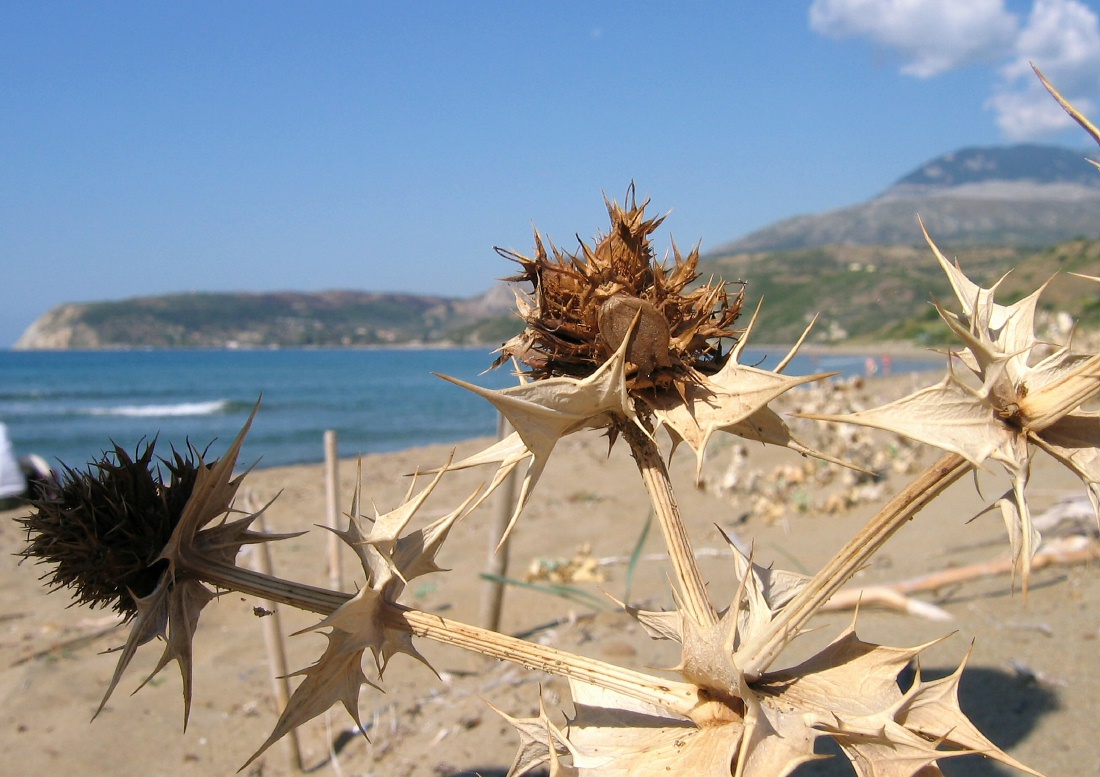
Climbing up into the hills that embrace Katelios, you reach the village of Pastra, a place where religious tradition blends evocatively with local folklore. Pastra is famous throughout Greece for the so-called 'miracle of the lilies', which takes place at the church of Panagia Gravaliotissa. According to tradition, dried lilies placed before the icon of the Virgin miraculously bloom again every year in August, at the time of the Feast of the Assumption. This event draws the faithful and the curious from all over the island, turning the village into a centre of vibrant spirituality. Beyond the mysticism, Pastra offers spectacular panoramic views over the bay below, allowing visitors to admire the expanse of the Katelios plain and the endless blue of the sea.
Mounda and Kaminia: the realm of the turtles
A short distance from Kato Katelios lie the beaches of Mounda and Kaminia, considered among the wildest and most fascinating on Kefalonia. These broad stretches of fine sand are sites of international importance for the reproduction of Caretta caretta turtles. The absence of permanent structures and nighttime lighting kept to a strict minimum are necessary measures to avoid disturbing the hatchings. Walking along these beaches early in the morning, you can spot the tracks left by turtles in the sand, a tangible sign of a nature that endures. The landscape is dominated by low dunes and an absolute stillness, broken only by the sound of the surf, offering a more solitary and primordial alternative to the seafront of the main village.
The flavours of seafaring tradition
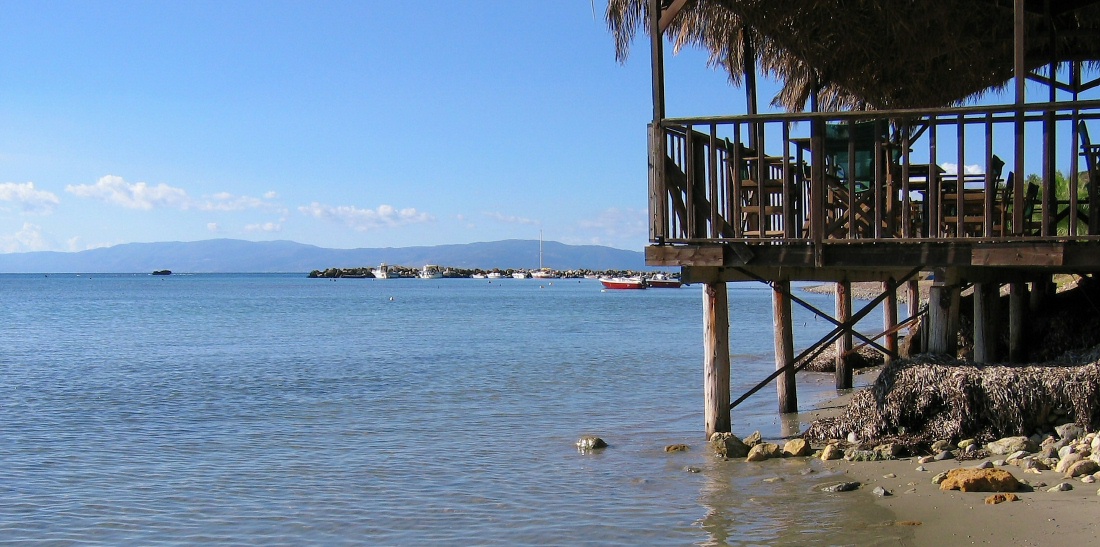
Katelios enjoys a gastronomic reputation that extends well beyond the local area, being considered one of the best places on the island to eat fresh fish. The taverns, often family-run, line the path that skirts the beach, offering tables almost lapped by the water. Here the cooking is simple and respectful of the raw ingredients: the day's catch is grilled with local olive oil, lemon and aromatic herbs. There is no shortage of Kefalonian specialities such as 'Kreatopita' (meat pie) or Aliada, a thick garlic and potato cream that pairs perfectly with fried fish. Dining here at sunset, sipping a glass of Robola, the island's native white wine, is a ritual that celebrates the harmony between the fruits of the land and those of the sea.
The landscape and the fertile hinterland
What sets Kato Katelios apart from the rest of rocky Kefalonia is its lush valley. The hinterland is crossed by small seasonal streams that keep the soil fertile even during the hottest months. Walking along the paths that wind into the plain, you come across flourishing vegetable gardens, citrus groves and centuries-old olive trees. This rural landscape offers a cool, shaded refuge during the hottest hours, ideal for bird-watching enthusiasts or for those wishing to explore the local flora, which includes several species of wild orchids in spring. The combination of the verticality of the mountains enclosing the valley and the horizontality of the coast creates a striking visual contrast, making every walk an opportunity to discover new natural details.
Not-to-be-missed experiences
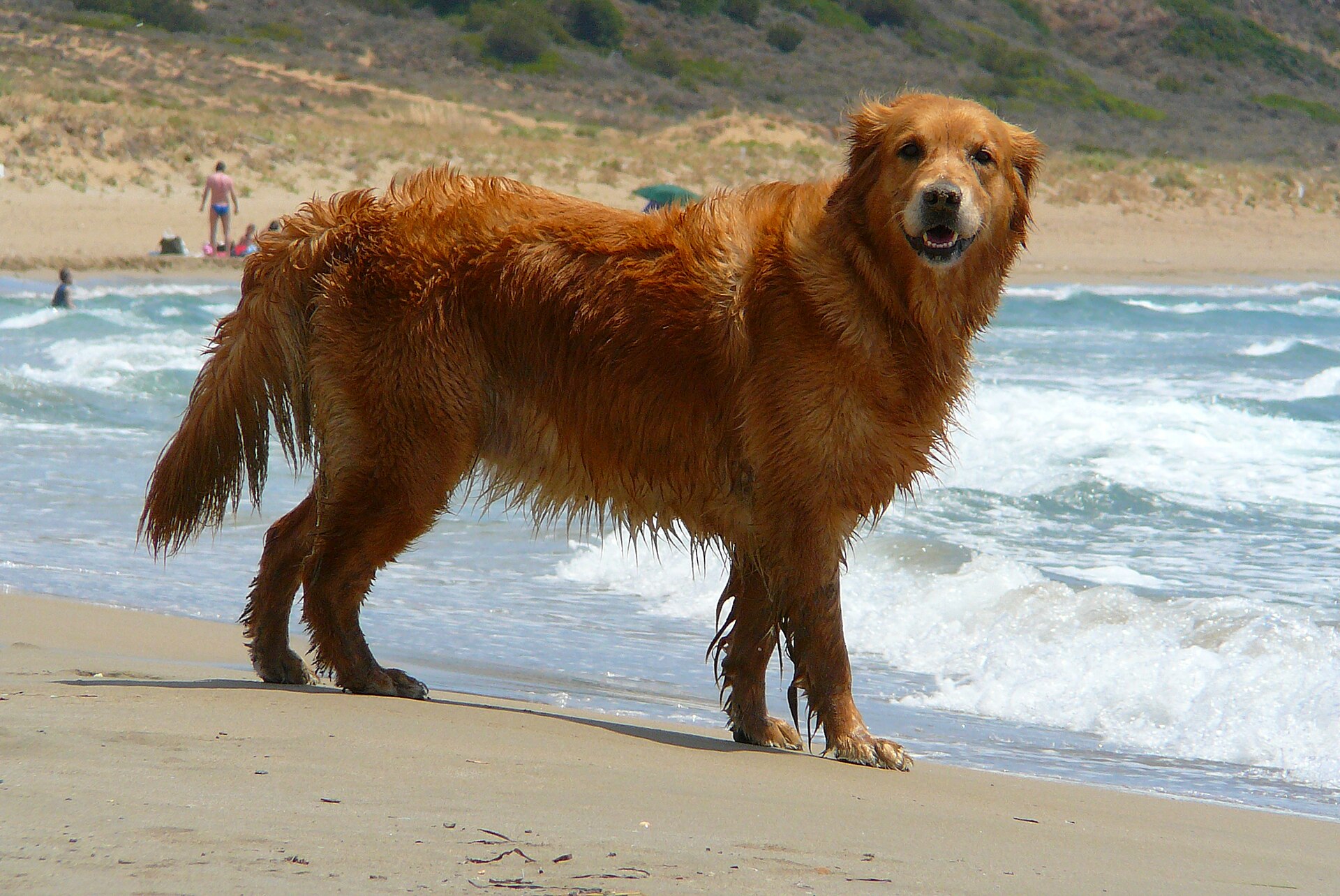
- Dine at one of the seaside taverns to sample the day's catch, sourced from right nearby.
- Visit the Environmental Centre to discover the secrets of the Caretta caretta turtles.
- Take a dawn walk along Mounda beach to search for nest tracks.
- Explore the paths linking Kato Katelios to the panoramic village of Pastra.
- Rent a small boat to explore secluded coves accessible only by sea.
- Take part in the traditional Feast of Panagia Gravaliotissa in mid-August.
When to go and how to experience the place
The ideal period to visit Kato Katelios runs from May to October. In spring, the valley bursts into a profusion of wildflowers and the climate is perfect for hiking, while the sea water begins to warm up. July and August are the hottest and busiest months, ideal for those who want to experience the atmosphere of the taverns and take part in local festivals, but thanks to its size, the area never feels stifling. September offers golden light and still-warm water, with the added benefit of greater tranquillity. To experience Katelios to the fullest, it is advisable to leave the car behind and get around on foot between the village and the beaches, letting yourself be guided by the slow rhythms of the local community and enjoying the genuine warmth of its inhabitants.
FAQ
Kato Katelios è adatta alle famiglie con bambini?
È necessario noleggiare un'auto?
Si possono vedere le tartarughe?
Ci sono servizi come bancomat o farmacie?
Getting there
- Aeroporto Internazionale di Cefalonia (EFL) - circa 30 km
- Non presenti sull'isola
- Da Argostoli, seguire le indicazioni per Skala lungo la strada costiera meridionale. Katelios è ben segnalata poco prima di raggiungere Skala.
- Se arrivate col traghetto a Poros, Katelios dista solo 20 minuti di auto in direzione sud.
Perfect for
Perfetto per chi cerca ritmi lenti, sicurezza per i bambini e un mare calmo e poco profondo.
Un paradiso per gli amanti dell'ecoturismo, grazie alla presenza delle tartarughe marine e alla valle verdeggiante.
Meta imperdibile per gli amanti del pesce fresco e della cucina greca tradizionale servita a pochi passi dal mare.
To see